
Introduction to Women’s Wellness and Hormonal Health
Women’s wellness encompasses a multitude of aspects regarding health, and a significant focus lies in hormonal balance. Hormones play a critical role in regulating various bodily functions, including metabolism, mood, reproduction, and overall health. Therefore, understanding the dynamics of hormonal health is essential for every woman. This introduction aims to elucidate the importance of maintaining hormonal balance and its impact on women’s overall wellness.
One of the most commonly discussed hormonal disorders is Polycystic Ovary Syndrome (PCOS), which affects a substantial number of women globally. PCOS is characterized by hormonal imbalances that can lead to a range of symptoms, including irregular menstrual cycles, weight gain, acne, and excessive hair growth. Recognizing the signs of PCOS is crucial as it can lead to more serious health conditions if left unmanaged. This condition highlights the need for awareness and knowledge related to women’s hormonal health, underscoring the importance of seeking effective treatment options.
Moreover, self-care practices play a pivotal role in addressing hormonal disorders such as PCOS. Engaging in holistic methods such as mindfulness, tailored nutrition, regular exercise, and stress management can significantly improve one’s hormonal balance and, consequently, overall well-being. Natural approaches to health not only foster a deeper understanding of the body’s needs but also empower women to take control of their health journeys. By incorporating pcos natural care methods into daily routines, women can potentially alleviate symptoms associated with hormonal disorders and promote a sense of harmony within their bodies.
In summary, women’s wellness, with an emphasis on hormonal health, is an essential aspect of achieving overall well-being. Understanding the implications of hormonal disorders like PCOS, and embracing self-care techniques, can lead to a healthier lifestyle and improved quality of life for women everywhere.
Understanding PCOS: Definition and Symptoms
Polycystic Ovary Syndrome (PCOS) is a hormonal disorder that affects individuals with ovaries, impacting their reproductive and overall health. It is characterized by a combination of symptoms that can vary significantly from one person to another. The prevalence of PCOS is notably high, affecting approximately 1 in 10 women of reproductive age worldwide. This condition is often underdiagnosed as many individuals may not be aware that their symptoms are linked to PCOS.
The symptoms of PCOS are diverse, with some of the most common being irregular menstrual cycles, excessive hair growth (hirsutism), weight gain, and acne. Irregular menstrual cycles may manifest as prolonged periods or missed cycles altogether, and this irregularity can contribute to challenges related to fertility. Hirsutism, which refers to excessive hair growth in areas where men typically grow hair, can cause significant psychological distress and affect self-esteem. Weight gain is another common concern for those with PCOS; many experience difficulty losing weight despite efforts, which can be attributed to insulin resistance. Similarly, acne and oily skin may arise due to hormonal imbalances associated with the condition.
The causes of PCOS are complex and multifactorial. Genetic predispositions can play a significant role, as individuals with a family history of PCOS are more likely to develop the condition. Additionally, environmental factors such as lifestyle choices and diet also contribute to its onset. Insulin resistance, which often occurs in conjunction with PCOS, further complicates symptoms and can lead to increased androgen levels, exacerbating issues like hirsutism and skin problems. Understanding these symptoms and underlying causes is crucial for anyone seeking to manage their PCOS effectively through holistic approaches, including pcos natural care strategies.
The Role of Hormones in Women’s Health
The hormonal landscape in women is complex and integral to their overall health. Hormones such as estrogen, progesterone, and androgens play pivotal roles not only in the menstrual cycle but also in influencing broader aspects of well-being. Estrogen, primarily responsible for the development of female secondary sexual characteristics, regulates the menstrual cycle alongside progesterone, which prepares the endometrium for potential pregnancy. These hormones exhibit a delicate interplay, essential for maintaining reproductive health and achieving a hormonal balance.
Androgens, while often categorized as male hormones, also exist in females and contribute to various physiological processes. In healthy women, androgens play a crucial part in regulating libido and can influence muscle and bone health. However, an excess of androgens can result in conditions such as Polycystic Ovary Syndrome (PCOS), leading to a multitude of symptoms including irregular menstrual cycles, acne, and hirsutism. Understanding these hormonal interactions is key in managing PCOS natural care, as it highlights the importance of balancing these hormones to mitigate the condition’s adverse effects.
Hormonal imbalances can stem from various factors including stress, poor diet, and lifestyle choices. For instance, environmental toxins can disrupt endocrine function, further complicating women’s health. Thus, addressing these imbalances is crucial not only for treating conditions like PCOS but also for promoting long-term wellness. Implementing strategies for hormone regulation, such as dietary modifications, regular exercise, and stress management techniques, can significantly enhance hormonal health, leading to improved quality of life.
Hormonal Imbalances and Their Causes
Hormonal imbalances can significantly affect a woman’s health and well-being, leading to various conditions, including polycystic ovary syndrome (PCOS). Understanding the underlying causes of these imbalances is essential for effective management and PCOS natural care.
One of the primary contributors to hormonal imbalances is lifestyle choices. A diet high in processed foods, sugars, and unhealthy fats can disrupt insulin levels and lead to weight gain, both of which are linked to hormonal disorders. Conversely, a balanced diet rich in whole foods, fruits, vegetables, and healthy fats can promote hormonal equilibrium. Additionally, insufficient physical activity can exacerbate hormonal disruptions. Regular exercise aids in maintaining a healthy weight, improving insulin sensitivity, and reducing stress levels, all of which are crucial for hormonal balance.
Stress is another significant factor influencing hormonal health. Chronic stress triggers the release of cortisol, which can lead to a cascade of hormonal disturbances. High cortisol levels are associated with irregular menstrual cycles and can contribute to the development of PCOS. Therefore, incorporating stress management techniques such as mindfulness, meditation, or yoga can be beneficial in maintaining hormonal balance.
Environmental factors also play a crucial role in hormonal health. Exposure to endocrine disruptors, such as certain plastics, pesticides, and chemicals, can interfere with hormone signaling in the body. These substances may mimic or inhibit natural hormones and are commonly found in everyday products, leading to unintended health consequences. Reducing exposure to these disruptors through natural and organic products can support overall hormonal health and is an essential aspect of PCOS natural care.
Diet and Nutrition for Hormonal Balance
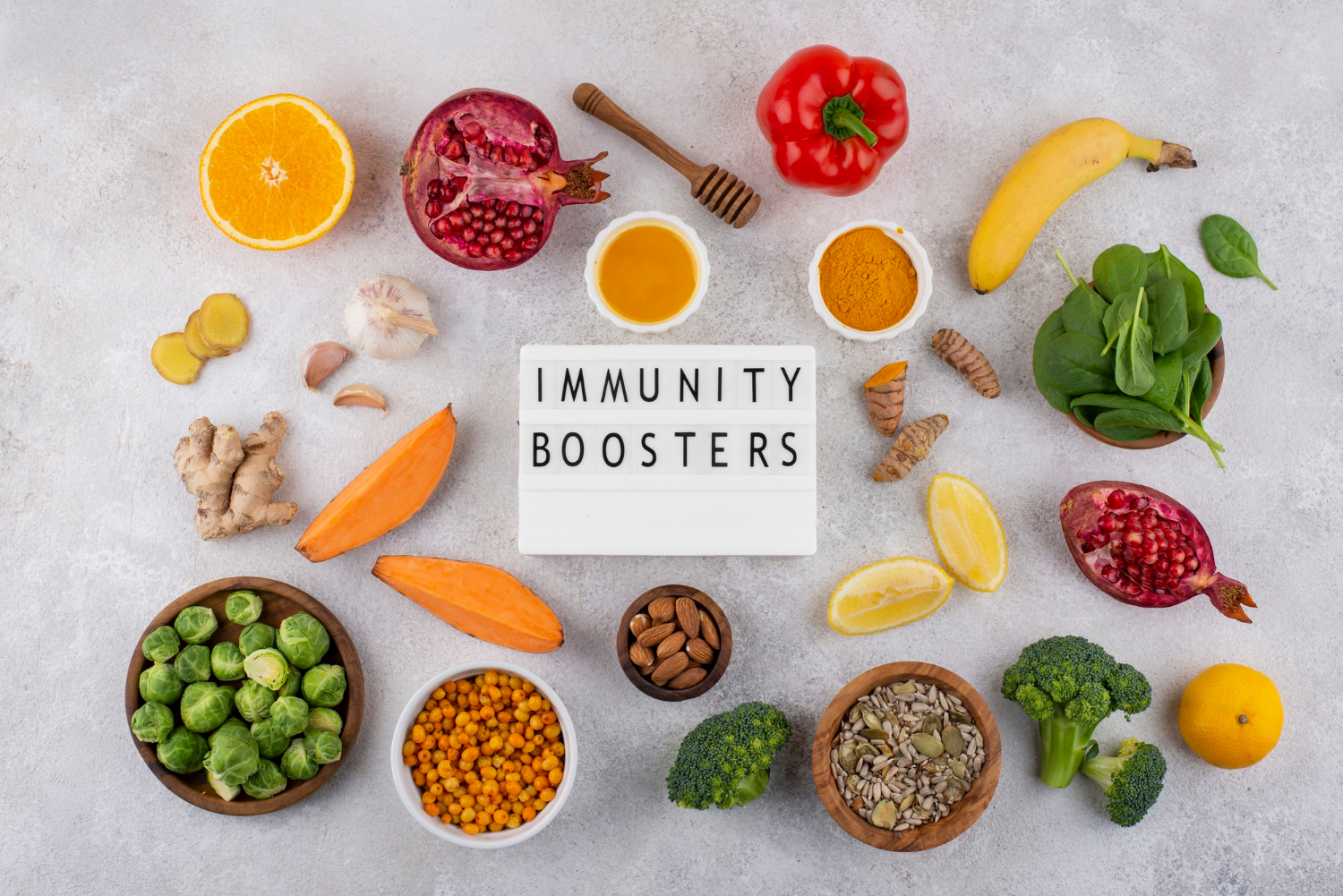
Maintaining hormonal balance is crucial, particularly for women diagnosed with polycystic ovary syndrome (PCOS). The dietary choices made can significantly influence hormone levels and overall well-being. A focus on whole foods is essential. Whole foods, which include fruits, vegetables, whole grains, and lean proteins, provide the necessary nutrients that support hormonal health. These foods are less processed and often contain beneficial fiber that helps in regulating blood sugar levels.
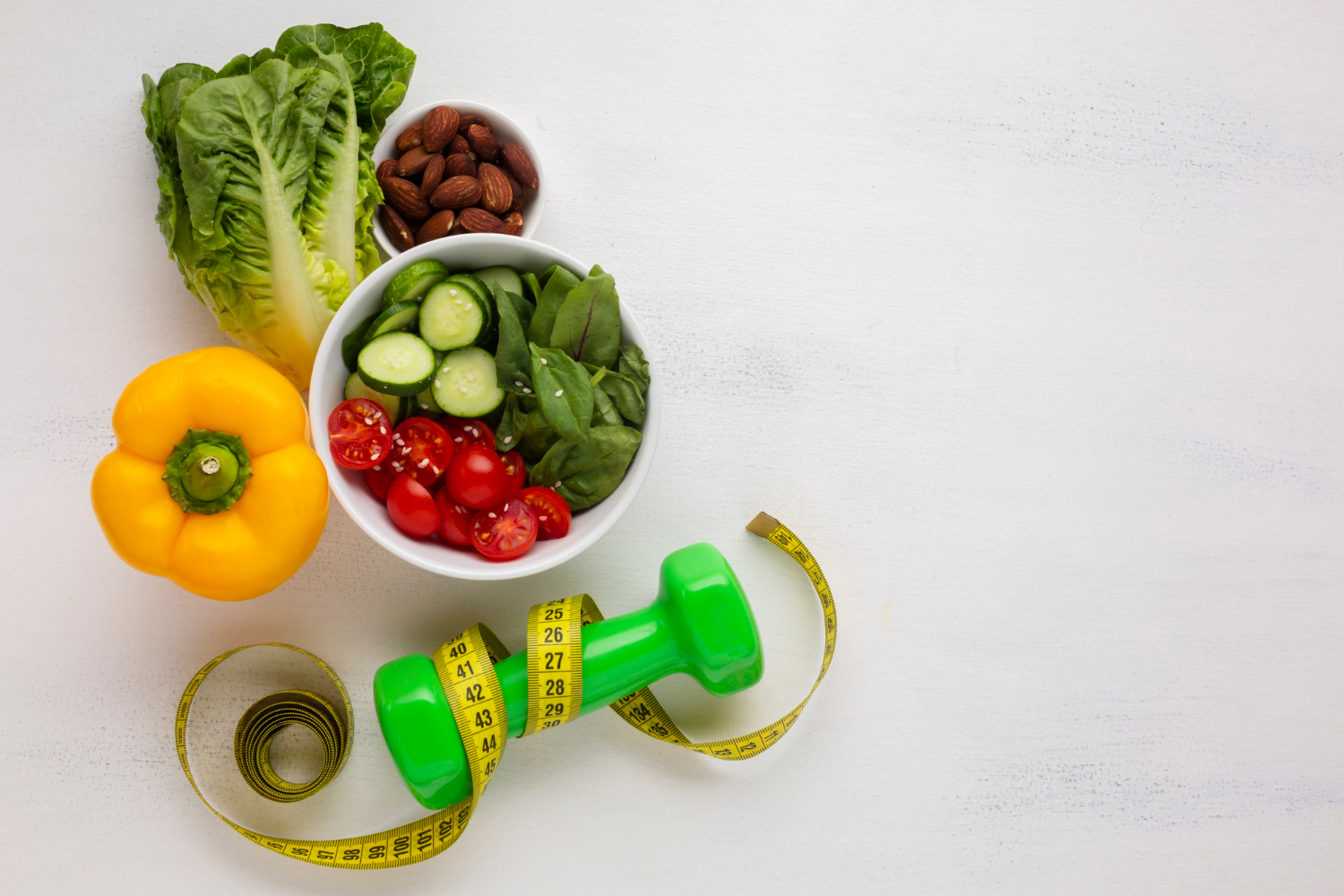
Macronutrients play a vital role in supporting hormonal balance. A balanced diet should include carbohydrates, proteins, and fats in the right proportions. Complex carbohydrates like quinoa, brown rice, and legumes can stabilize blood sugar levels, which is particularly important for women with PCOS, as insulin sensitivity is often an issue. Lean proteins such as chicken, fish, and plant-based options like lentils can aid in muscle maintenance and repair, while healthy fats found in avocados, nuts, and olive oil are necessary for hormone production.
When considering specific foods to incorporate into a diet aimed at managing PCOS symptoms, it is beneficial to include anti-inflammatory options such as berries, leafy greens, and fatty fish. Conversely, certain foods should be avoided; these include refined sugars, processed foods, and trans fats, which can lead to inflammation and hormonal imbalance. Moreover, incorporating supplements such as omega-3 fatty acids and vitamin D may also support hormonal regulation.
In essence, adopting a diet rich in whole foods while ensuring a proper balance of macronutrients can contribute significantly to hormonal balance. For women managing PCOS, this dietary approach can not only help alleviate symptoms but also promote overall health and well-being, demonstrating the significance of PCOS natural care through nutritional choices.
The Importance of Physical Activity
Regular physical activity is a cornerstone of overall health and plays a vital role in managing hormonal balance, especially for women suffering from polycystic ovary syndrome (PCOS). Engaging in a consistent exercise routine can significantly enhance insulin sensitivity, which is crucial for women with PCOS, as many experience insulin resistance. Incorporating both aerobic workouts and strength training is essential for optimal benefits.
Aerobic exercises, such as walking, jogging, cycling, and swimming, improve cardiovascular health and help regulate weight. Maintained weight management is particularly important in the context of PCOS, as excess weight can exacerbate hormonal imbalances. On the other hand, strength training can increase muscle mass, which effectively boosts metabolism and aids in burning calories even at rest. This dual approach not only supports physical fitness but also contributes to hormonal stability.
Women with PCOS might also benefit from incorporating flexibility and stress-relieving exercises, such as yoga or Pilates, into their routines. These practices can alleviate stress, which is known to affect hormonal health negatively. Managing stress through physical activity not only improves emotional well-being but also can positively influence the severity of PCOS symptoms.
To create an effective exercise routine, it is advised to start slow and gradually increase intensity. Aim for at least 150 minutes of moderate-intensity aerobic activity per week, combined with two to three days of strength training. Setting achievable goals can also improve motivation and adherence to the routine. Additionally, engaging in activities that one enjoys can make physical exercise a more enjoyable and sustainable part of daily life.
Holistic Approaches to Self-Care
In the pursuit of promoting hormonal balance and overall wellness, women experiencing Polycystic Ovary Syndrome (PCOS) can greatly benefit from holistic self-care strategies. These strategies encompass physical, mental, and emotional well-being, all of which play crucial roles in maintaining health. By integrating various practices such as mindfulness, yoga, meditation, and effective stress management, women can foster an environment conducive to hormonal health.
Mindfulness is an impactful practice that encourages individuals to stay present and connected with their surroundings. This heightened awareness can reduce anxiety and stress, which are often exacerbated in those with hormonal imbalances. Engaging in mindfulness techniques, like guided imagery or body scan meditations, can empower women to take control over their thoughts and feelings, thereby enhancing their emotional health.
Yoga serves as another holistic approach, combining physical activity with breath control and stress reduction. Various yoga poses can enhance blood circulation, promote relaxation, and even help in regulating the menstrual cycle. The emphasis on flexibility and core strength in yoga not only supports general physical fitness but also encourages a calm mind, which is integral for those managing symptoms of PCOS.
Moreover, meditation can provide women with a dedicated time for reflection and self-care, allowing for a deeper understanding of their mental state and reinforcing a positive mindset. Regular meditation practice has been shown to influence hormonal levels positively, which highlights its importance in any PCOS natural care regimen.
Finally, effective stress management techniques, such as breathwork and journaling, can alleviate the emotional burdens often faced by women with PCOS. These methods promote resilience and encourage individuals to prioritize their mental health, which directly correlates with their overall well-being. Thus, a commitment to holistic self-care not only addresses immediate health concerns but also sets the foundation for long-term wellness.
Seeking Professional Help: When to Consult a Healthcare Provider
Women experiencing symptoms related to Polycystic Ovary Syndrome (PCOS) or hormonal imbalances should consider seeking professional help. The significance of individualized care cannot be understated. Since symptoms can vary widely among women, a thorough assessment by a healthcare provider will ensure a tailored approach to treatment. This assessment often includes a comprehensive medical history, physical examination, and potential diagnostic tests to evaluate hormonal levels and rule out other conditions.
Individuals might find it necessary to consult a healthcare provider when they observe persistent irregularities in their menstrual cycles, difficulties in conception, or symptoms such as excessive hair growth, acne, or weight fluctuation. These symptoms may indicate a hormonal imbalance that requires medical attention. In such cases, a healthcare professional may recommend blood tests to gauge hormone levels or an ultrasound to examine the ovaries and detect any cysts, which are common in PCOS.
Treatment options for managing PCOS and hormonal health might encompass both lifestyle modifications and medical interventions. Lifestyle changes, such as adopting a balanced diet and increasing physical activity, can significantly improve symptoms and overall well-being. Additionally, healthcare providers may prescribe medications aimed at regulating menstrual cycles, improving insulin sensitivity, or addressing specific symptoms, thereby offering comprehensive pcos natural care. Understanding these options is crucial in deciding the best course of action.
In conclusion, being proactive about health concerns related to PCOS is essential. By consulting healthcare professionals, women can receive personalized advice and treatment plans that address their unique conditions and needs, ultimately enhancing their quality of life.
Conclusion and Next Steps for Women’s Wellness
Throughout this blog post, we have delved into crucial aspects of Polycystic Ovary Syndrome (PCOS) and its implications on women’s wellness. By understanding the complexities of hormonal balance and the vital role that self-care plays, women can take significant strides towards improving their health. It is evident that implementing PCOS natural care strategies—such as a balanced diet, regular physical activity, and stress management—can greatly alleviate some of the symptoms associated with this condition.
Moreover, seeking professional guidance from healthcare providers who specialize in hormonal imbalances is essential. They can tailor a wellness plan to meet individual needs, incorporating both medical and alternative treatments. Joining support groups can also provide invaluable resources and community for women experiencing similar challenges with PCOS. Engaging with others who understand the journey can foster encouragement and motivation.
Women are encouraged to embrace self-care routines that prioritize both physical and mental well-being. Practices like mindfulness meditation, yoga, and nutritional counseling not only enhance overall wellness but also specifically target the symptoms of PCOS. Keeping track of symptoms and modifying lifestyle habits accordingly can lead to meaningful improvements in quality of life.
As women navigate their wellness journeys, being proactive in addressing their healthcare needs cannot be overstated. Accessing information about holistic approaches and natural care solutions empowers women to make informed choices. Altogether, adopting a multi-faceted approach to wellness can pave the way for long-term health and empowerment. Resources and support are abundantly available for those dedicated to exploring these pathways for well-being.