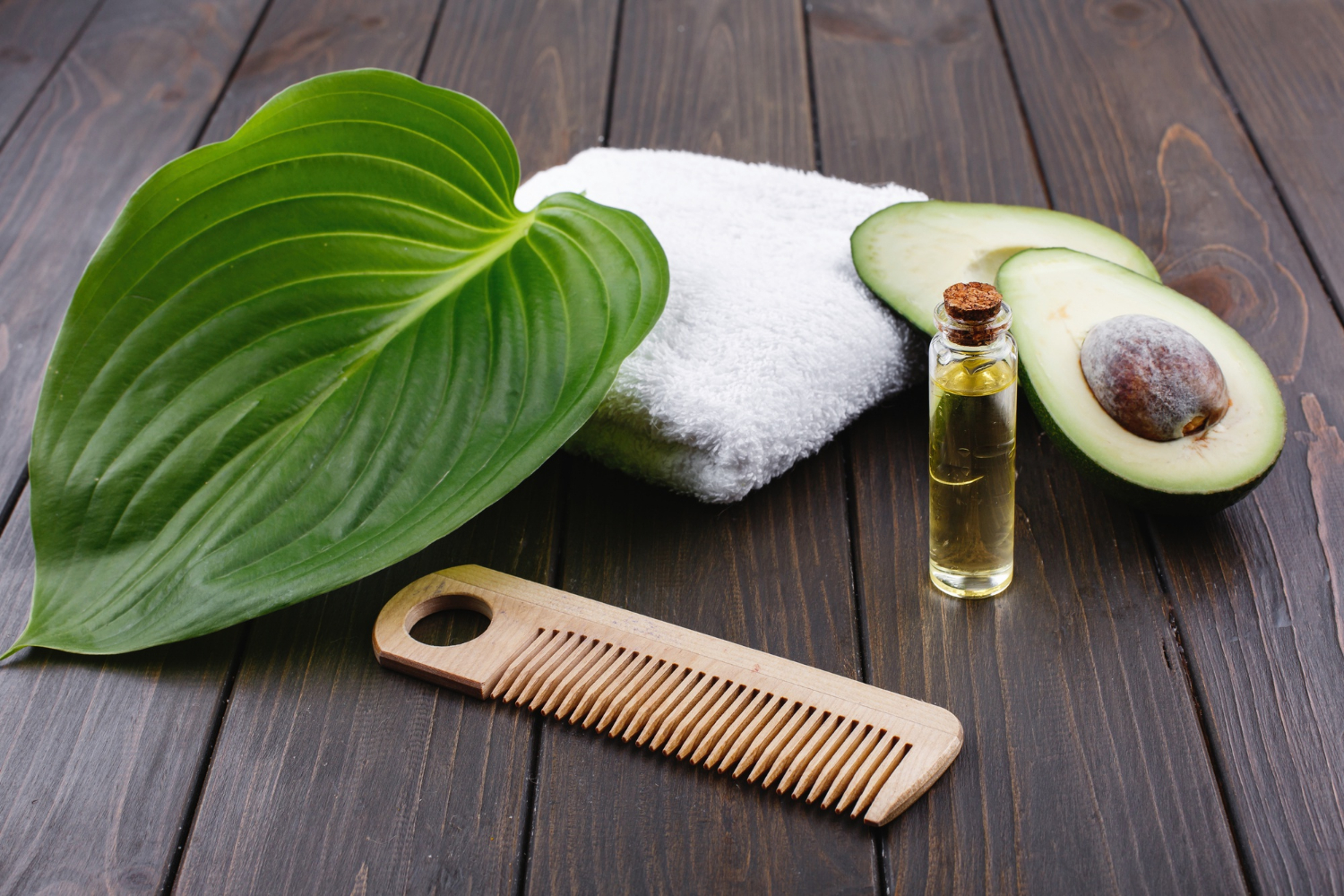
Introduction to Hair Fall
Hair fall is a prevalent concern for many individuals, affecting people across different ages and backgrounds. The phenomenon of hair loss can be attributed to numerous factors, including genetics, stress, hormonal changes, and various health conditions. As the hair begins to thin or fall out, it can lead to not only physical changes but also emotional distress, profoundly influencing one’s self-esteem and overall wellness.
The significance of addressing hair fall cannot be overstated. For countless individuals, having a full head of hair is often associated with vitality and youth. When hair loss occurs, it can lead to feelings of vulnerability and anxiety, prompting many to seek solutions that offer reassurance and hope. This quest for effective hair fall treatment often leads people to explore both conventional and alternative remedies, including Unani and Ayurveda practices that emphasize natural approaches to wellness.
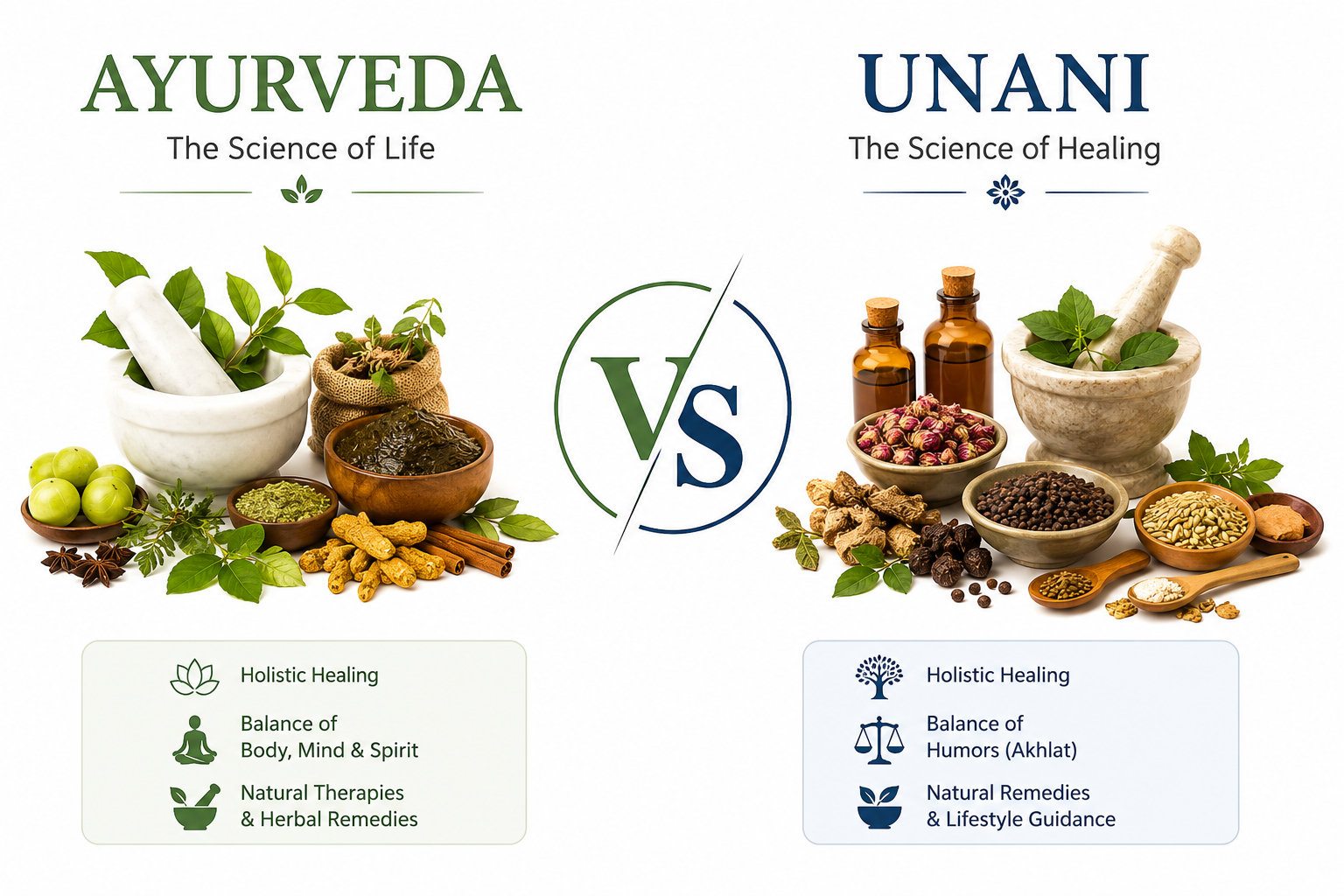
Natural hair care solutions have gained popularity as more individuals are inclined to utilize remedies that align with holistic health principles. Unani medicine, known for its focus on balancing the body’s elements, offers various treatments that can support hair health. Similarly, Ayurveda promotes the use of herbal remedies tailored to individual needs, aiming to not only improve hair growth but also enhance overall well-being.
As we delve deeper into understanding hair fall, it becomes essential to identify the underlying causes. By addressing these factors and utilizing evidence-informed natural treatments, individuals can regain control over their hair health. The following sections will explore various causes of hair fall and provide actionable strategies to mitigate its impact, fostering a path towards healthier hair and improved self-image.
Understanding the Causes of Hair Fall
Hair fall is a multifaceted issue that can arise from various factors, each contributing to the condition uniquely. One of the primary culprits of hair loss is genetic predisposition. Individuals with a family history of hair loss may find themselves more susceptible as they age due to inherited traits affecting hair follicles. This condition, often termed androgenetic alopecia, is well-documented in scientific literature, reinforcing the idea that genetic factors play a significant role in hair health.
Hormonal changes are another significant factor influencing hair fall. Fluctuations in hormones, particularly during puberty, pregnancy, or menopause, can disrupt the natural growth cycle of hair. Conditions such as polycystic ovary syndrome (PCOS) also manifest hormonal imbalances that can lead to thinning hair. Studies have highlighted the direct correlation between hormonal shifts and hair density, suggesting that addressing these hormonal factors could mitigate hair loss.
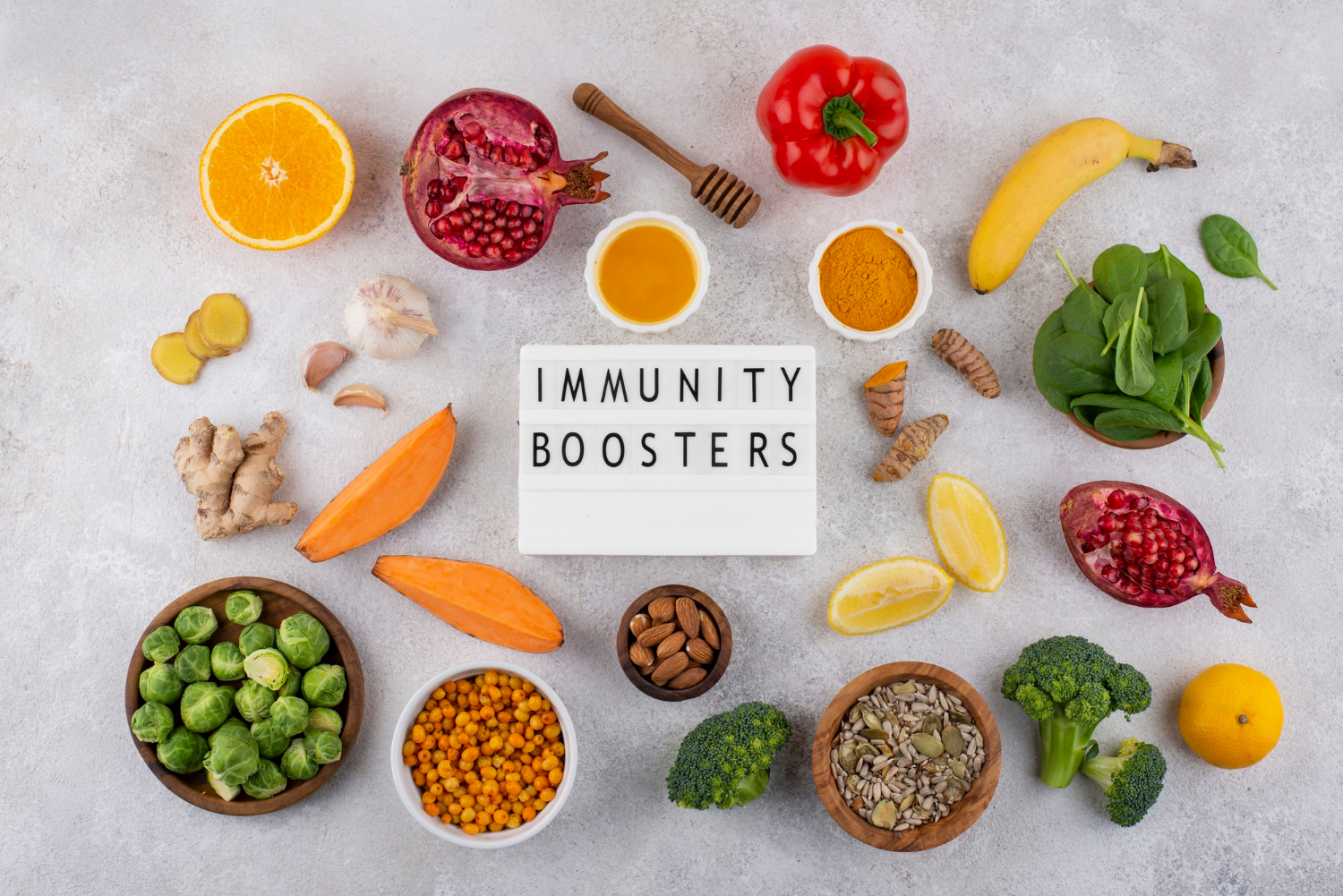
Poor nutrition stands out as a modifiable risk factor for hair fall. Deficiencies in essential vitamins and minerals, such as iron, zinc, and biotin, can weaken hair strands and slow their growth. Furthermore, diets high in processed foods may lack vital nutrients needed for maintaining optimal hair health. Research indicates that balanced nutrition plays a critical role in the wellness of hair, emphasizing the importance of a nutrient-rich diet for preventing hair loss.
Various medical conditions also contribute to hair fall. Conditions such as thyroid disorders, alopecia areata, and scalp infections can result in significant hair loss. Their effects can be profound and warrant medical attention for appropriate hair fall treatment. Lastly, environmental factors, including exposure to pollution and harsh weather conditions, can damage hair and exacerbate loss. Protective measures, such as using natural hair care products, may help to shield hair from these external threats.
Signs You May Be Experiencing Hair Fall
Hair fall can often be a distressing experience, and recognizing the early signs is crucial for initiating effective hair fall treatment. One of the primary indicators of potential hair loss is the noticeable shedding of hair more than usual. While it is normal for individuals to lose some hair daily, excessive shedding could suggest an underlying issue. Monitoring your hair fall can provide insights into whether the shedding exceeds the typical range, which averages approximately 100 strands per day.
Another significant sign of hair fall is the observable thinning of hair. Individuals may notice that their hair appears less dense, and this can be particularly pronounced in specific areas of the scalp. Thinning often leads to the visibility of the scalp in previously fuller sections. This condition may indicate a need for natural hair treatments, as addressing thinning early can help prevent further loss.
Changes in hair texture can also point to problems related to hair fall. If hair becomes brittle, excessively dry, or overly oily, it can reflect underlying imbalances that require attention. Such alterations in texture could stem from poor scalp health or inadequate nutrition, necessitating a reevaluation of one’s hair care routine or lifestyle choices.
Furthermore, fluctuations in hair growth patterns can signify a more significant issue. If you experience patches of hair that do not grow back or witness uneven growth, it may be prudent to consult with a healthcare professional. Utilizing holistic approaches, such as Ayurvedic methods and Unani principles within a wellness framework, may provide effective hair fall treatment alternatives. By recognizing these signs early and committing to proactive care, one can take significant steps towards maintaining healthy hair.
Natural Remedies for Hair Fall Prevention
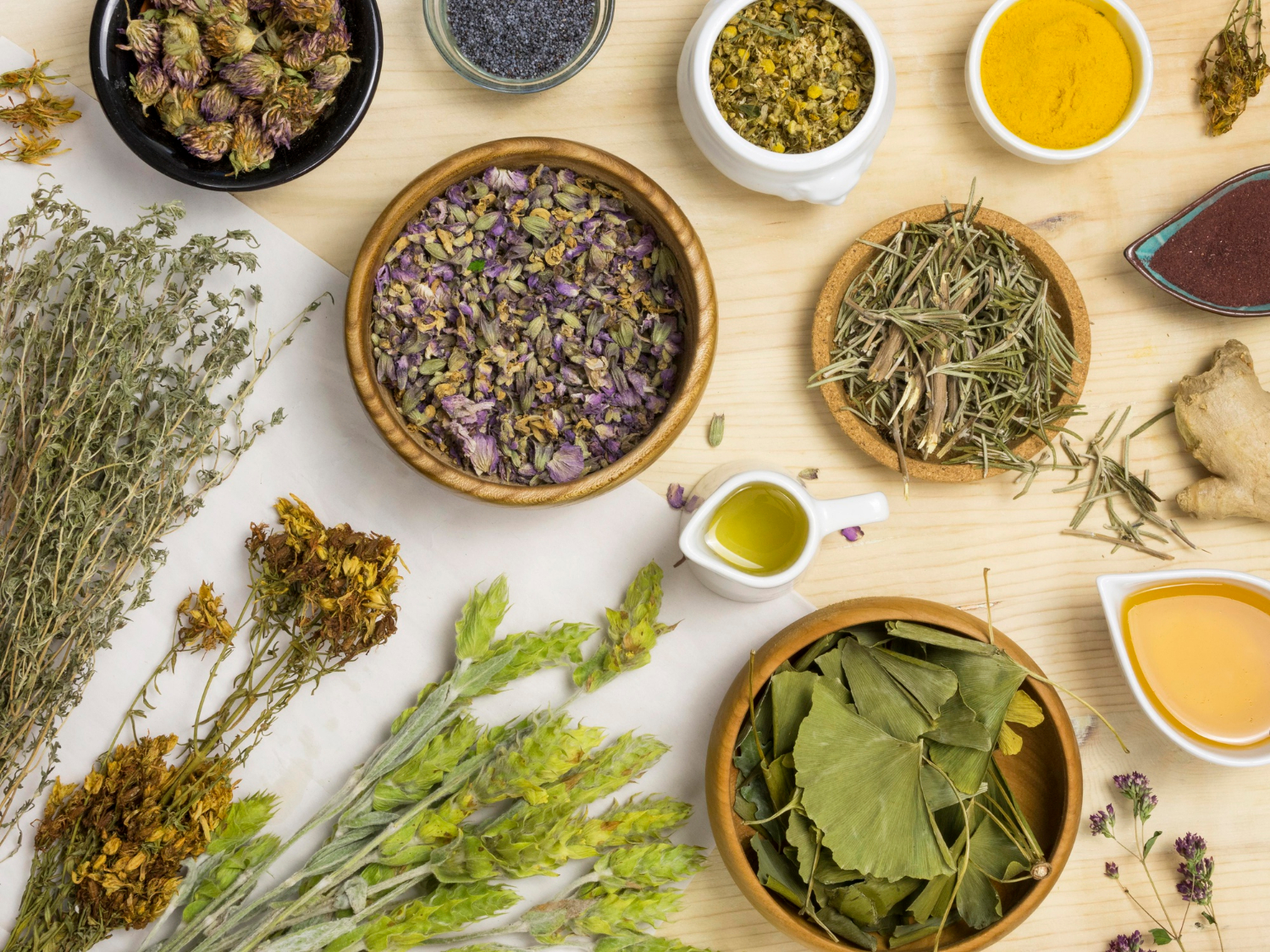
Hair fall treatment can draw from various natural remedies that have shown efficacy through a blend of traditional practices and scientific research. A prominent approach is the use of herbal ingredients, particularly in the fields of Unani and Ayurveda, which emphasize the importance of holistic wellness. Among these herbs, Amla (Indian gooseberry) stands out due to its high vitamin C content and antioxidants that promote better scalp health. Research indicates that the application of Amla oil can strengthen hair follicles, thereby reducing hair fall.
Another well-regarded remedy is the use of Fenugreek (Methi) seeds. These seeds are believed to possess hormonal properties that aid in hair growth and prevent premature baldness. To utilize Fenugreek for hair fall treatment, it is recommended to soak the seeds overnight, grind them into a paste, and apply this to the scalp for approximately 30 minutes before washing. This routine has shown potential in increasing hair density and health.
Moreover, essential oils such as Rosemary and Lavender not only impart a pleasant scent but also contribute to improved scalp circulation. Studies have suggested that regular massaging of these oils into the scalp can stimulate hair follicles, thereby enhancing growth and reducing hair loss. Mixing a few drops of essential oils with a carrier oil, such as coconut or olive oil, can create an effective treatment for individuals seeking natural solutions for hair fall.
In addition to these remedies, maintaining a nutritious diet rich in vitamins and minerals plays a vital role in hair wellness. Ingredients such as iron, zinc, and omega-3 fatty acids are crucial for fostering a healthy scalp and strong hair strands. Therefore, incorporating foods like nuts, fish, and leafy greens can provide holistic support to combat hair fall.
Diet and Nutrition for Healthy Hair
Proper nutrition plays a crucial role in maintaining hair health and addressing issues such as hair fall. A well-balanced diet that includes essential nutrients can significantly contribute to strong and vibrant hair. The connection between diet and hair growth is well-documented in both the fields of Ayurveda and Unani medicine, which emphasize natural remedies and wellness practices.
One of the primary building blocks of hair is protein. Hair comprises keratin, a type of protein, and sufficient protein intake is vital for hair strength and thickness. Foods rich in protein, such as lean meats, fish, eggs, legumes, and dairy products, should be included in your daily diet. These nutrient-dense options nourish the hair follicles, enhancing overall hair health and potentially mitigating hair fall.
In addition to proteins, certain vitamins and minerals are essential for optimal hair growth. Vitamins such as Biotin, Vitamin D, and Vitamin E promote hair health and can help reduce hair fall. Incorporating foods like nuts, seeds, leafy greens, and avocados can significantly enhance your vitamin intake. Minerals like iron and zinc also play a vital role in the hair growth cycle. Including sources of these minerals, such as spinach, lentils, and fish, can fortify your diet.
Hydration is another critical component of maintaining hair health. Drinking adequate amounts of water ensures that hair follicles remain hydrated and can help prevent dryness that may lead to breakage or hair loss. Aim for a balanced intake of both macronutrients and micronutrients to achieve not only overall wellness but also to effectively tackle hair fall issues.
In summary, adopting a nutritious diet that includes ample protein, vitamins, and minerals is essential for healthy hair. By integrating these dietary practices into your lifestyle, you can foster hair strength and enhance your overall wellness, directly impacting your hair’s vitality and growth.
Stress Management Techniques for Hair Care
Stress is a significant factor that can contribute to hair fall, making it essential to address emotional and psychological stressors through effective management techniques. Research indicates that increased levels of stress can lead to conditions such as telogen effluvium, where hair follicles enter a resting phase prematurely, causing noticeable hair loss. Employing stress management strategies can enhance overall wellness, thereby supporting healthier hair growth.
One effective technique is mindfulness, which encourages individuals to focus on the present moment and engage in non-judgmental observation of their thoughts and feelings. Mindfulness practices, such as mindfulness meditation, can reduce anxiety and promote a sense of calm. A study published in the Journal of Health Psychology found that participants who practiced mindfulness experienced lower levels of stress, which correlated with improved hair health and reduced hair fall.
Another valuable method is meditation, which has been shown to reduce anxiety and create a sense of peace. Regular meditation practices can help regulate cortisol levels, the hormone responsible for stress responses. Research indicates that individuals who meditate regularly report lower stress levels and, consequently, improved hair health. Additionally, incorporating a daily exercise routine can significantly benefit both mental and physical wellness. Exercise increases blood circulation, which floods hair follicles with essential nutrients and strengthens hair strands.
Furthermore, engaging in yoga or deep breathing exercises can help alleviate stress and promote relaxation. The ancient practices of Unani and Ayurveda highlight the importance of mental wellness in achieving optimal hair health, suggesting that a harmonious mind-body connection is vital for effective hair fall treatment. By implementing these stress management techniques, individuals can reduce the negative effects of stress on their hair, promoting a natural remedy approach to maintaining a healthy mane.
The Role of Scalp Care in Preventing Hair Fall
Proper scalp care plays an essential role in preventing hair fall and promoting overall wellness of hair. A healthy scalp ensures that hair follicles are nourished and can function optimally. Regular cleansing is vital to remove excess oil, dirt, and product buildup that can clog hair follicles. It is recommended to use gentle, sulfate-free shampoo to avoid the stripping of natural oils, which could lead to dryness and irritation.
Exfoliation of the scalp is another important technique that can help combat hair fall. By eliminating dead skin cells and promoting blood circulation on the scalp, exfoliation encourages the health of hair follicles. Natural ingredients such as sugar or coffee grounds can be used in DIY scrubs, while commercially available scalp scrubs can also be beneficial.
Moisturization is often overlooked when discussing hair fall treatment. A dry scalp can lead to flakiness and irritation, ultimately contributing to hair loss. Utilizing natural oils like coconut, jojoba, or argan oil can provide the necessary hydration and nourishment. Massaging these oils into the scalp not only moisturizes but also improves blood circulation, promoting hair strength.
Various scalp conditions, such as dandruff, psoriasis, or seborrheic dermatitis, can negatively affect hair health. Identifying and addressing these conditions is crucial in the routine of hair fall prevention. For instance, medicated shampoos that target dandruff can help alleviate symptoms, thereby reducing the risk of associated hair loss.
In summary, adopting a consistent scalp care routine that includes thorough cleansing, exfoliation, and moisturizing can significantly contribute to minimizing hair fall. By nurturing the scalp, individuals can create an environment that is conducive to healthy hair growth, employing natural and Ayurveda methods wherever possible.
When to Seek Professional Help
While many individuals experience occasional hair loss due to factors such as stress, environmental changes, or improper hair care routines, there are instances when it is essential to seek professional help. Consulting with a dermatologist or a trichologist becomes necessary when hair fall escalates, becomes persistent, or is accompanied by additional symptoms. Early intervention can prevent further loss and promote healthier hair regrowth.
Common indicators that warrant a visit to a healthcare professional include significant thinning of hair, bald patches, or changes in the scalp condition such as inflammation, itching, or redness. Professionals can conduct a thorough assessment to determine whether the hair loss is attributed to underlying health issues, such as hormonal imbalances, nutritional deficiencies, or autoimmune disorders. In such cases, a targeted hair fall treatment may be recommended.
Additionally, hair fall treatment options vary and may include medical treatments such as topical minoxidil or oral finasteride, which have shown efficacy in stimulating hair regrowth. For individuals seeking more permanent solutions, hair transplant procedures are available, which involve relocating hair follicles from one part of the body to areas experiencing thinning. Depending on the individual’s condition and preference, dermatologists or trichologists can offer a suitable course of action.
Moreover, professionals may also provide guidance on integrating natural remedies from Unani or Ayurveda that promote wellness and minimize hair loss. Such treatments can complement medical approaches and enhance overall hair health. Understanding when to consult a professional, and being open to various treatment options, including traditional methodologies, is vital for anyone experiencing concerning hair fall.
Conclusion and Takeaway Tips
Hair fall is a common concern that affects many individuals, with assorted factors contributing to the problem, including hormonal changes, poor nutrition, and environmental stressors. To address these challenges, a multifaceted approach to hair health is essential. The integration of natural methods such as Ayurveda and Unani practices is particularly beneficial, as these traditional systems of medicine emphasize holistic wellness and the use of herbal remedies.
As discussed, there are several actionable strategies one can adopt to mitigate hair loss. Firstly, ensuring a balanced diet rich in vitamins and minerals can significantly bolster hair vitality. Essential nutrients such as biotin, vitamin E, and iron play crucial roles in maintaining hair health. Incorporating foods such as nuts, fish, spinach, and whole grains can provide these vital components.
Secondly, utilizing herbal treatments, which align with Unani and Ayurveda methods, can further enhance hair strength. Ingredients like amla, hibiscus, and sesame oil are renowned for their restorative properties. Massaging the scalp with these natural oils not only nourishes the hair but also improves circulation, promoting hair growth.
Furthermore, it is advisable to limit exposure to harsh chemicals and heat styling tools, as they can exacerbate hair fall. Instead, choosing gentle hair care products and adopting a natural hair care routine can contribute positively to hair wellness.
In conclusion, by combining dietary adjustments, the use of natural herbal remedies, and mindful hair care practices, individuals can foster an environment that supports healthy hair growth. Embracing these strategies grounded in Unani and Ayurveda offers a promising pathway to reducing hair fall while enhancing overall hair quality. Making informed and intentional choices regarding hair care can ultimately lead to more robust and vibrant hair.