
Introduction to Joint Comfort
Joint comfort plays a vital role in our overall health and well-being, impacting our ability to perform daily activities and maintain an active lifestyle. The joints are the connections between bones, allowing for movement and flexibility. However, many individuals face challenges related to joint pain and discomfort, which can result from factors such as age, injury, or chronic conditions like arthritis. These issues can significantly diminish the quality of life and may hinder physical activity.
As the prevalence of joint-related challenges increases, the need for effective solutions becomes paramount. Traditional medicinal systems such as Ayurveda and Unani offer a foundation for understanding natural methods of joint pain relief. These practices emphasize the importance of holistic wellness, prioritizing the body’s natural ability to heal itself through dietary adjustments, exercise, and the use of herbal remedies.
Natural wellness approaches not only focus on alleviating symptoms but also promote long-term health benefits. By adopting lifestyle changes and incorporating specific nutrients known for their anti-inflammatory properties, individuals can support their joint health and enhance mobility. Regular physical activity, combined with targeted stretching and strength exercises, can further contribute to maintaining flexible and resilient joints.
In a world increasingly leaning towards pharmaceutical solutions, it is crucial to explore these natural alternatives that have been utilized for centuries. This article will delve into various methods of promoting joint comfort, encouraging a comprehensive understanding of how we can support our joints through nature-inspired practices.
The Role of Diet in Supporting Joint Health
Diet plays a crucial role in maintaining joint health and contributing to joint pain relief. A balanced diet, rich in anti-inflammatory foods, can significantly improve comfort and mobility, especially for individuals suffering from chronic joint pain. Consuming an array of fruits and vegetables such as berries, leafy greens, and cruciferous vegetables provides essential antioxidants that combat inflammation, promoting overall joint wellness.
In addition to fruits and vegetables, fatty fish such as salmon, mackerel, and sardines are excellent sources of omega-3 fatty acids. These healthy fats have been shown to reduce inflammation and can help in joint pain relief. Other beneficial food options include nuts and seeds, which are rich in magnesium and vitamin E, both of which support joint health. Whole grains, like quinoa and brown rice, are also vital as they may help stabilize blood sugar levels and minimize inflammatory responses.
On the contrary, it is important to be mindful of food choices that may exacerbate joint issues. High-sugar foods and processed items can lead to increased inflammation and worsen joint discomfort. For optimal health, one should be cautious of excessive consumption of sugary snacks, sodas, and trans fats found in many fast foods.
Adequate intake of vitamins and minerals is also essential for joint wellness. Vitamins C and D, along with calcium, play a role in maintaining healthy cartilage and preventing joint degeneration. Thus, incorporating a variety of foods rich in these nutrients, along with herbal options from traditional practices like Unani and Ayurveda, can contribute to achieving natural wellness and improving joint comfort.
Beneficial Exercises for Joint Comfort
Maintaining joint health is essential for overall mobility and comfort, especially as one ages or undergoes physical strain. Engaging in specific exercises designed to boost joint comfort is integral to achieving lasting wellness. Key areas to focus on include low-impact activities, strength training, and flexibility exercises. Each category plays a vital role in providing joint pain relief and enhancing overall physical health.
Low-impact activities such as swimming, cycling, and walking are excellent options. These exercises minimize stress on the joints while promoting overall circulation and cardiovascular health. Low-impact workouts allow individuals to maintain physical activity without exacerbating any existing discomfort. Incorporating these movements into one’s regular routine helps sustain joint mobility and function while fostering a sense of natural wellness.
Strength training is another beneficial avenue for joint comfort. Implementing resistance exercises enhances the surrounding musculature of the joints, which helps provide additional support and stability. Utilizing bodyweight exercises or resistance bands can be both effective and gentle. Engaging in strength training twice a week can bolster muscle strength and protect the joints from future injury.
In addition to strengthening muscles, flexibility exercises such as yoga or tai chi serve as crucial components of a balanced exercise regimen. These practices not only improve range of motion but also promote relaxation, which can be highly beneficial for those suffering from joint discomfort. The consistent movement associated with flexibility exercises can also help to alleviate stiffness that often accompanies joint pain.
Lastly, the importance of regular movement cannot be overstated. Even short bursts of activity throughout the day can contribute significantly to joint health. Furthermore, physical therapy plays a pivotal role in guiding individuals through tailored exercises aimed at preserving joint function and alleviating pain. Registered physical therapists can provide personalized routines that incorporate the principles of unani and ayurveda, aligning traditional practices with modern rehabilitation methods.
Understanding Traditional Herbal Practices
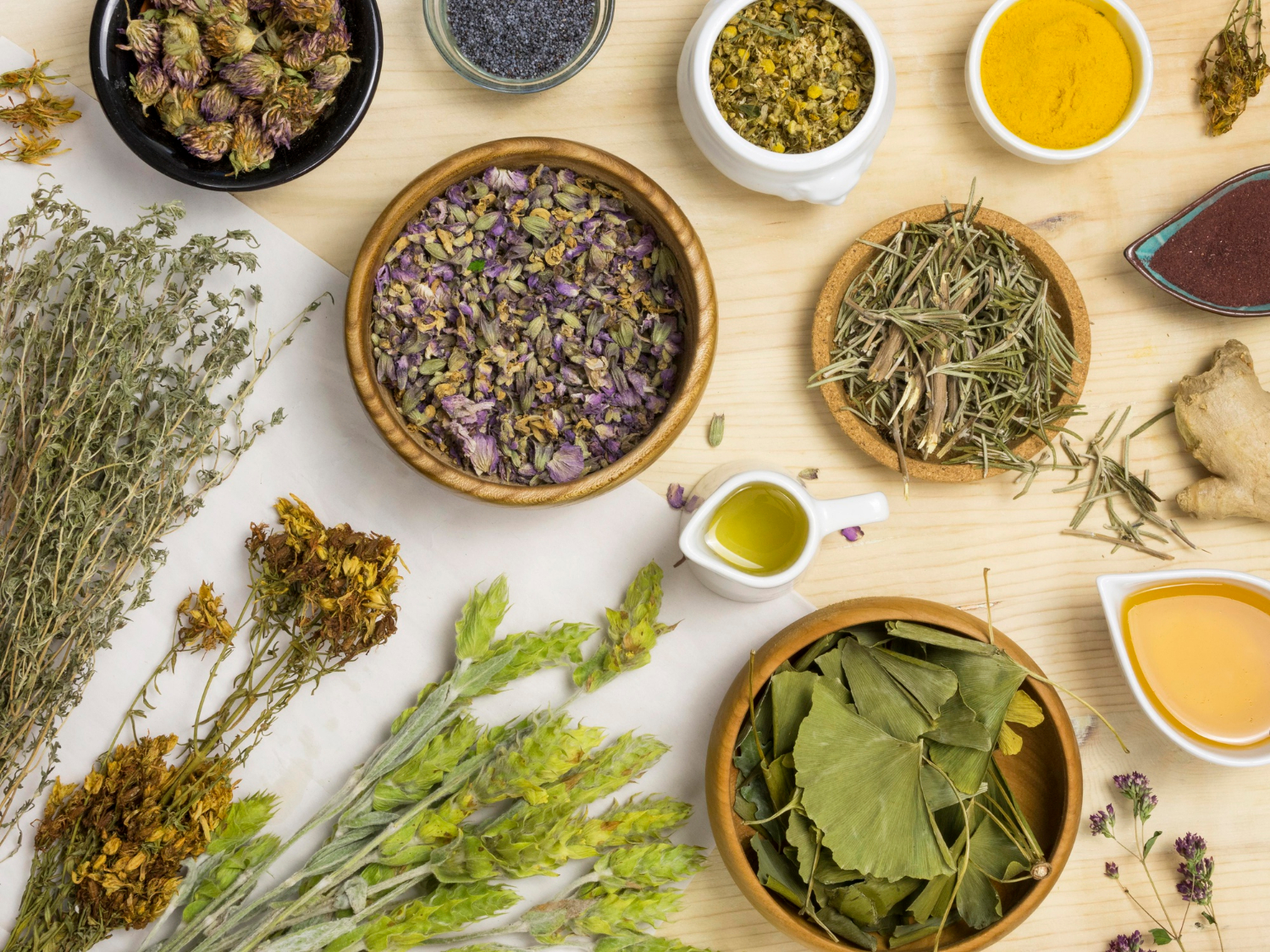
Traditional herbal practices have long been utilized around the world for their therapeutic benefits, particularly for joint pain relief. Various cultures have developed their unique approaches to harness the potential of herbs, emphasizing their anti-inflammatory and analgesic properties. Some of the most renowned herbs include turmeric, ginger, and boswellia, each of which plays a significant role in promoting natural wellness for joint health.
Turmeric, a bright yellow spice common in South Asian cuisine, contains curcumin, a compound noted for its potent anti-inflammatory effects. Research has indicated that curcumin can effectively reduce pain and improve joint function, making turmeric a staple in remedies targeting joint discomfort. Individuals can incorporate turmeric into their daily routines by adding it to soups, stews, or smoothies, or even taking it in supplement form.
Similarly, ginger is recognized not just for its culinary use, but also for its medicinal properties. This root is known to alleviate inflammation and pain associated with various musculoskeletal conditions. Fresh ginger can be consumed as tea or added to dishes to enjoy its benefits, while ginger extract is another viable option for those seeking concentrated forms.
Boswellia, derived from the resin of the Boswellia serrata tree, has been a part of traditional medicine in regions such as India and the Middle East. Studies suggest that boswellia can enhance joint comfort and mobility, especially in those who suffer from chronic joint issues. This herb can be consumed in capsules or powders and incorporated into beverages or allergy-friendly recipes.
By integrating these herbs into one’s daily routine, individuals can explore a holistic approach to managing joint discomfort through traditional herbal practices. Consistent use, combined with a suitable diet and exercise regime, may provide a comprehensive strategy for achieving joint pain relief.
The Connection Between Weight Management and Joint Health
Maintaining a healthy weight is essential for overall wellness and plays a significant role in supporting joint comfort. When excess weight is present, it increases the stress on weight-bearing joints, including the knees, hips, and spine. This elevated pressure can exacerbate discomfort and may contribute to degenerative conditions such as osteoarthritis. Therefore, effective weight management can be a crucial strategy for those experiencing joint pain relief.
Research has shown that losing just a few pounds can markedly reduce stress on the joints, thereby improving mobility and reducing the symptoms associated with joint disorders. For instance, individuals with knee osteoarthritis can benefit from a weight loss of even 5 to 10 percent of their body weight. This not only decreases the load on tired joints but also enhances overall health.
To manage weight effectively, incorporating a balanced diet rich in whole foods is vital. A focus on fruits, vegetables, whole grains, and lean proteins aids in promoting natural wellness. Additionally, avoiding processed foods high in sugar and unhealthy fats can prevent weight gain and is beneficial for joint health. Specific dietary practices from traditional medicine systems such as Unani and Ayurveda also suggest incorporating anti-inflammatory foods, such as turmeric and ginger, which may further help in alleviating joint discomfort.
Physical activity is equally important. Engaging in low-impact exercises like swimming, yoga, and walking not only supports weight loss but also enhances flexibility and strengthens the muscles surrounding the joints, providing additional support and stability. These practices not only help manage weight but also contribute to overall joint health.
In conclusion, effective weight management is integral to reducing joint stress and improving comfort. Adopting a holistic approach that includes a balanced diet and regular physical activity can significantly enhance joint health and promote natural wellness.
Mind-Body Techniques for Joint Relief
Joint pain relief often involves addressing not just physical ailments but also the emotional and psychological aspects of health. Stress and mental well-being play crucial roles in exacerbating physical symptoms, including joint discomfort. Engaging in mind-body techniques can be an effective approach to enhance overall wellness, particularly when focusing on natural remedies.
Meditation is one technique that has gained prominence for its efficacy in reducing stress and fostering a sense of calm. By incorporating daily meditation practices, individuals may experience a marked reduction in stress levels, which can subsequently alleviate joint pain. This practice encourages mindfulness, helping individuals become more attuned to their bodies and the sensations they experience, thereby promoting natural wellness.
Yoga is another beneficial technique that merges physical movement with mental focus and breathing exercises. Various yoga poses specifically strengthen and stretch muscles around the joints, which can support joint health. Furthermore, yoga promotes relaxation and decreases anxiety, contributing positively to mental health. This holistic approach not only addresses joint discomfort but also nurtures overall emotional well-being.
Deep-breathing exercises serve as a practical tool to manage stress and tension. These exercises activate the body’s relaxation response, allowing for better oxygen flow and circulation, which is vital for joint function. Practicing deep breathing frequently can equip individuals with a simple yet powerful method to mitigate stress-related symptoms, assisting in their journey toward effective joint pain relief.
By incorporating these techniques into daily routines, individuals may find that their mental state significantly impacts their experience of joint pain. Thus, nurturing mental health through meditation, yoga, and deep-breathing exercises can contribute to better physical health, showcasing the interconnectedness of mind and body in the pursuit of wellness.
Lifestyle Changes for Long-Term Joint Comfort
Achieving sustainable joint pain relief involves more than just occasional remedies; it requires holistic lifestyle modifications that can significantly impact joint health over time. One of the primary aspects to consider is ergonomics. Proper ergonomic practices help minimize joint strain, especially for individuals who spend extended periods sitting at desks or engaging in repetitive activities. This means adjusting your workspace to promote a neutral posture, thereby reducing undue stress on joints.
Equally important is maintaining proper posture throughout daily activities. Regardless of whether you are standing, sitting, or lifting, awareness and correction of posture can prevent misalignment and discomfort in the joints. Simple practices such as keeping your back straight and shoulders relaxed can greatly contribute to overall joint wellness.
Incorporating regular breaks during routines also plays a critical role in promoting joint comfort. Frequent, short periods of rest can help alleviate the pressure on joints, allowing them time to recover. Furthermore, practicing gentle stretching or low-impact activities like yoga can also enhance flexibility and muscle strength, providing additional support to the joints.
Additionally, recognizing the importance of recovery is crucial. Allowing the body adequate time to recover after physical activity is paramount, as it aids in joint healing and reduces the risk of injury. This can include ensuring sufficient sleep, minimizing stress through relaxation techniques, and involving oneself in nurturing environments that support natural wellness.
Thus, by integrating ergonomics, posture correction, rest, and recovery into your daily routine, you can develop a comprehensive approach that enhances joint comfort. These lifestyle changes not only aid in pain relief but also promote long-term health, supporting the body’s natural healing processes in accordance with traditional health philosophies such as Unani and Ayurveda.
Foods to Avoid for Joint Discomfort
Managing joint pain effectively often involves dietary adjustments, focusing not only on what to include but also on what to avoid. Certain food categories, particularly those high in unhealthy fats or additives, can significantly aggravate joint discomfort. A prevalent group includes processed foods. These items often contain a plethora of additives, preservatives, and unhealthy trans fats that can contribute to inflammation in the body. Examples include fast food, snacks, and frozen meals, which can hinder natural wellness and exacerbate conditions like arthritis.
Another critical category to be wary of is trans fats, commonly found in margarine, fried foods, and commercially baked goods. These fats not only elevate bad cholesterol levels but can also lead to increased inflammation, making them a poor choice for anyone seeking joint pain relief. Incorporating alternatives such as healthy fats from sources like olive oil or avocados can help promote better joint health while avoiding inflammatory triggers.
Additionally, excessive sodium intake plays a significant role in joint discomfort. Processed and packaged foods typically contain high levels of sodium, which can lead to water retention and increased blood pressure, further straining the joints. Reducing salt consumption can be beneficial in achieving a more balanced diet and effectively managing joint pain. Opting for fresh, whole foods and using herbs for flavor can lead to a significant improvement in both overall wellness and joint comfort.
By recognizing these food categories and consciously reducing their intake, individuals can create a supportive environment for joint healing. While diet alone is not a substitute for specific treatments like Unani or Ayurveda, it plays a crucial role in a comprehensive approach to joint wellness. Taking proactive, informed steps towards dietary changes can empower individuals in their pursuit of joint pain relief and enhance their overall quality of life.
Conclusion
In conclusion, supporting joint comfort through natural methods is an accessible and beneficial approach for many individuals. As discussed, adopting a balanced diet rich in anti-inflammatory foods can help alleviate joint pain. Incorporating fruits, vegetables, lean proteins, and healthy fats, while minimizing processed foods and sugars, plays a crucial role in achieving joint pain relief and promoting overall natural wellness.
Engaging in regular physical activity is another vital component of maintaining joint health. Exercises that enhance flexibility, strength, and endurance can prevent stiffness and contribute to a better range of motion. Activities such as yoga and swimming are particularly effective, as they are low-impact and minimize stress on the joints. By establishing a consistent routine, individuals can experience long-term benefits in their joint health.
Furthermore, traditional herbal practices from both Unani and Ayurveda offer promising natural solutions for joint pain and discomfort. The use of specific herbs and formulations can provide effective relief and support joint function. However, it is important to approach these remedies with caution and ideally under the guidance of an experienced practitioner. Each individual’s health condition is unique, which highlights the significance of consulting healthcare professionals for personalized advice.
Ultimately, the combination of a wholesome diet, adequate exercise, and the incorporation of herbal remedies represents a holistic strategy for joint comfort. Embracing these natural support practices collectively can significantly improve quality of life for those suffering from joint issues. As always, it is wise to remain informed and seek professional guidance to tailor these approaches to one’s specific needs.