Understanding the Immune System
The immune system serves as the body’s defense mechanism against pathogens such as bacteria, viruses, and other harmful agents. Its vital role in safeguarding health cannot be overstated, as it works tirelessly to identify and eliminate these threats. A well-functioning immune system is crucial for maintaining overall health and well-being, ensuring that the body operates optimally.
The immune system comprises various components, primarily categorized into innate and adaptive immunity. Innate immunity provides immediate, short-term defense through physical barriers such as the skin and mucous membranes, as well as through white blood cells, which include neutrophils and macrophages. These cells act quickly to respond to and destroy invaders.
Adaptive immunity, on the other hand, is more specialized and develops over time as the body encounters different pathogens. Central to this system are lymphocytes, particularly B cells and T cells. B cells are responsible for producing antibodies that specifically target antigens, while T cells help eliminate infected cells and regulate the immune response. The interaction between these components is essential for effective defense.
In addition to white blood cells, the lymphatic organs, such as the spleen and lymph nodes, play a pivotal role in housing immune cells and facilitating their activation. The spleen filters the blood and helps combat infections, while lymph nodes act as reservoirs for lymphocytes, capturing pathogens and initiating immune responses. Enhancing one’s natural immunity through understanding these components emphasizes the need for adopting healthy lifestyle choices.
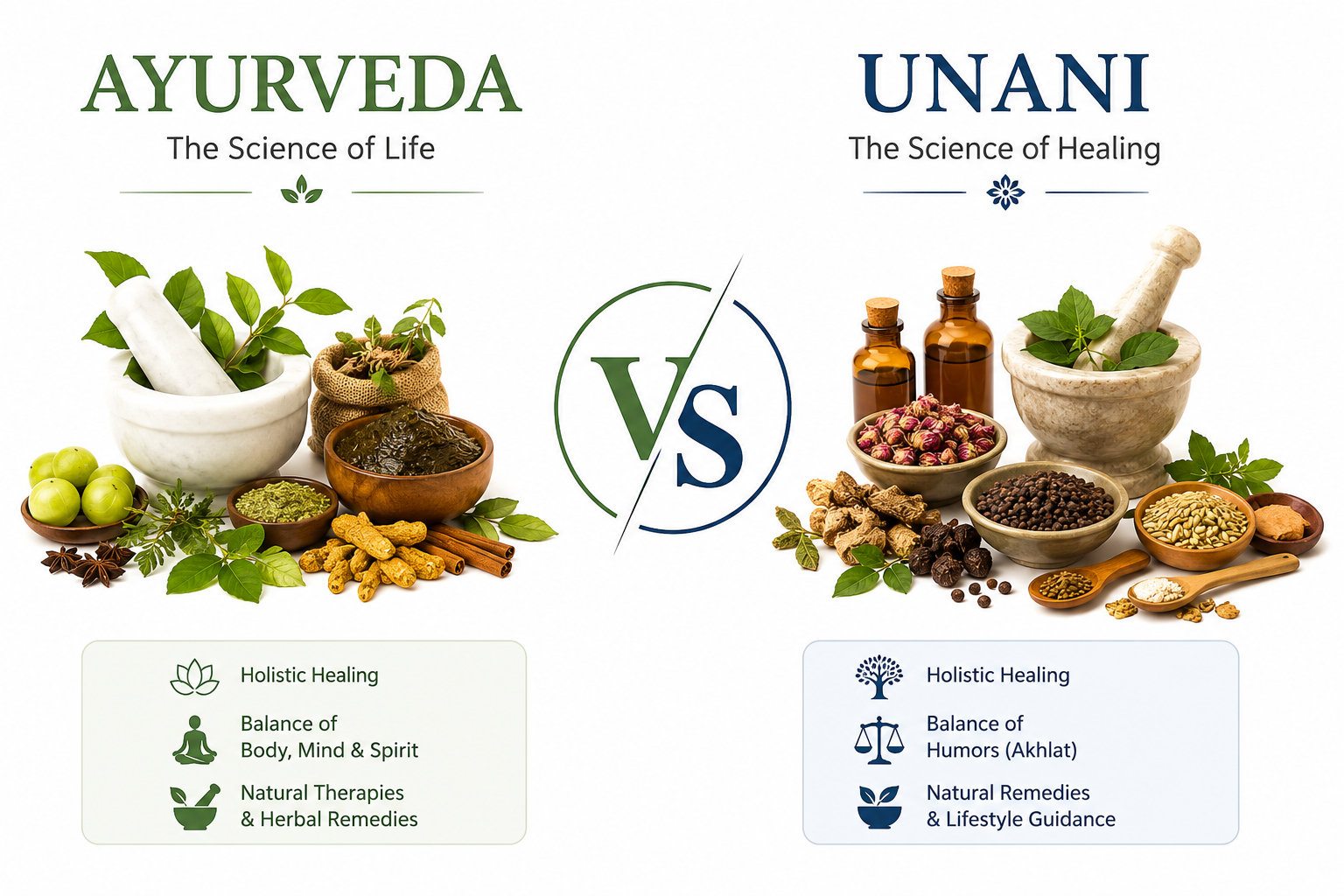
Overall, a robust immune system is fundamental to preventing illness and promoting longevity. By integrating natural immunity enhancement methods, such as nutritional diets rich in herbal remedies inspired by Unani traditions, individuals can take proactive steps toward supporting their health.
The Importance of Nutrition for Immune Health
Nutrition plays a crucial role in enhancing the body’s natural immunity, impacting not only our overall health but also our resilience against infections and diseases. A balanced diet enriched with essential vitamins and minerals is vital for maintaining optimal immune function. Certain nutrients have been identified as particularly beneficial for bolstering our immune defenses, including vitamins C and D, zinc, and probiotics.
Vitamin C, commonly found in fruits and vegetables such as oranges, strawberries, and bell peppers, is known for its role in supporting various cellular functions of both the innate and adaptive immune system. It is a potent antioxidant that can help protect immune cells from damage. On the other hand, vitamin D is crucial for immune response modulation and can be synthesized by the body upon exposure to sunlight. Dietary sources include fatty fish, fortified dairy products, and egg yolks.
Zinc is another essential mineral that plays a significant role in immune health. It supports the development and function of immune cells. Foods rich in zinc include meat, shellfish, legumes, seeds, and nuts. Furthermore, incorporating probiotics, found in fermented foods like yogurt, sauerkraut, and kefir, can enhance gut health and, in turn, support immune function, as a significant portion of the immune system is located in the gastrointestinal tract.
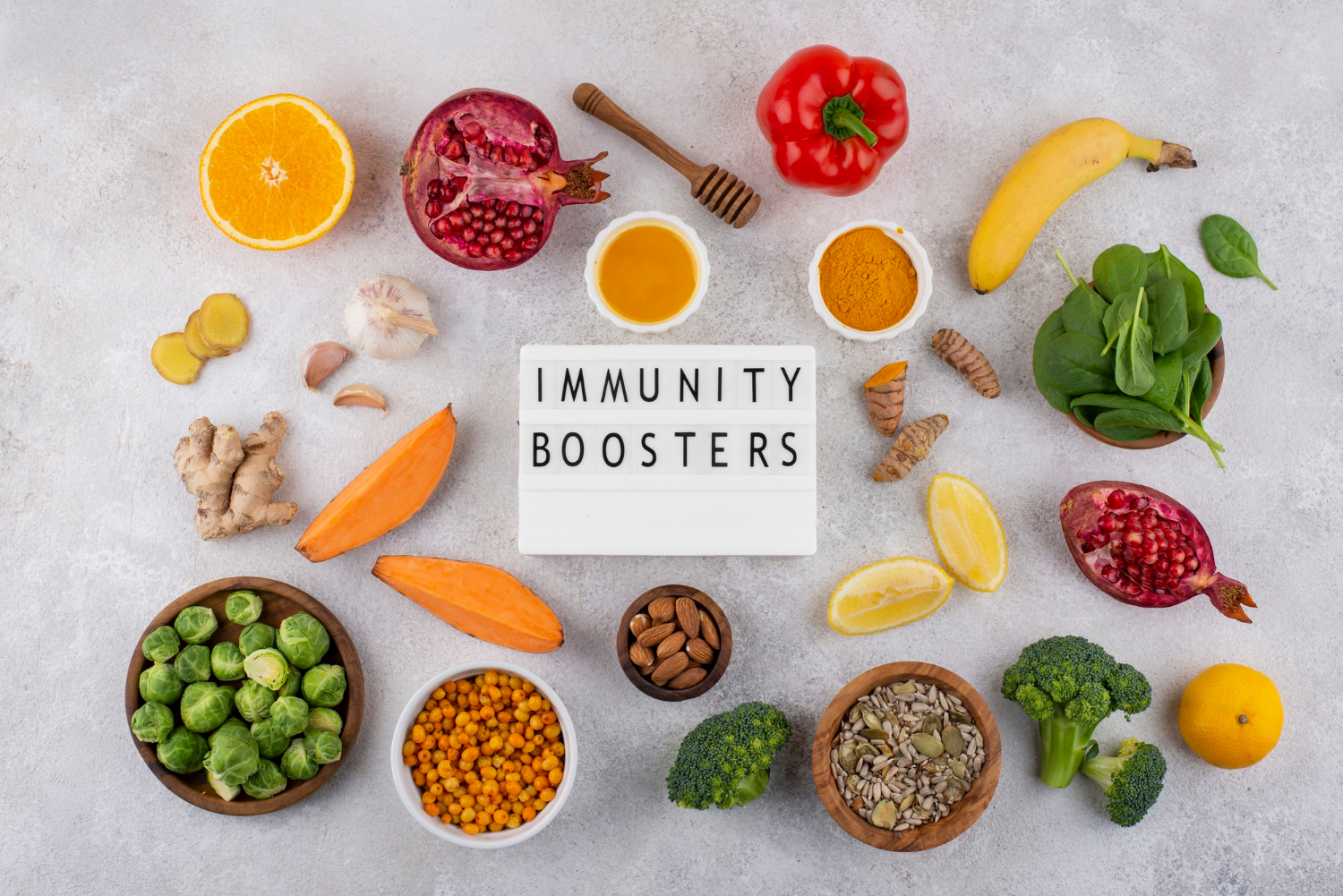
A balanced diet that includes these nutrients, alongside a variety of other natural foods, significantly impacts the immune system’s performance. Emphasizing fruits, vegetables, whole grains, lean proteins, and healthy fats is crucial to promote overall health and strengthen natural immunity. Such dietary choices, in conjunction with an active lifestyle, can lead to improved immune function and greater resilience against pathogens.
Lifestyle Choices That Boost Immune Function
The human body relies on a variety of lifestyle choices to maintain a robust immune system, which plays a critical role in defending against infections and diseases. Regular physical activity is fundamental to enhancing natural immunity. Engaging in consistent exercise helps improve circulation, allowing immune cells to move through the body more freely. Aim for at least 150 minutes of moderate aerobic activity each week, in addition to strength training exercises twice weekly.
Sufficient sleep is another vital component of immune health. Research indicates that inadequate sleep can diminish the effectiveness of the immune response. Adults should target seven to nine hours of quality sleep each night, establishing a coherent sleep schedule that promotes rejuvenation and recovery.
Stress management is equally important when considering lifestyle habits that support immune function. Chronic stress can lead to elevated levels of cortisol, which may suppress the immune system. Incorporating techniques such as mindfulness, meditation, or yoga into daily routines can greatly enhance mental and emotional well-being, ultimately fortifying the body’s natural immunity.
Hydration is a foundational aspect of overall health that also influences immune efficacy. Water aids in the circulation of nutrients and is crucial for cellular function. Aim for at least eight glasses of water per day, adjusting for activity levels and environmental conditions. Proper hydration ensures the optimal functioning of organs and systems involved in immune defense.
Incorporating these lifestyle choices is not just a matter of individual health; it contributes to a larger societal effort to foster healthier communities. By prioritizing physical activity, sleep, stress management, and hydration, individuals can create a supportive environment for their immune systems, enhancing resilience against illness.
The Role of Herbal Traditions in Immune Support
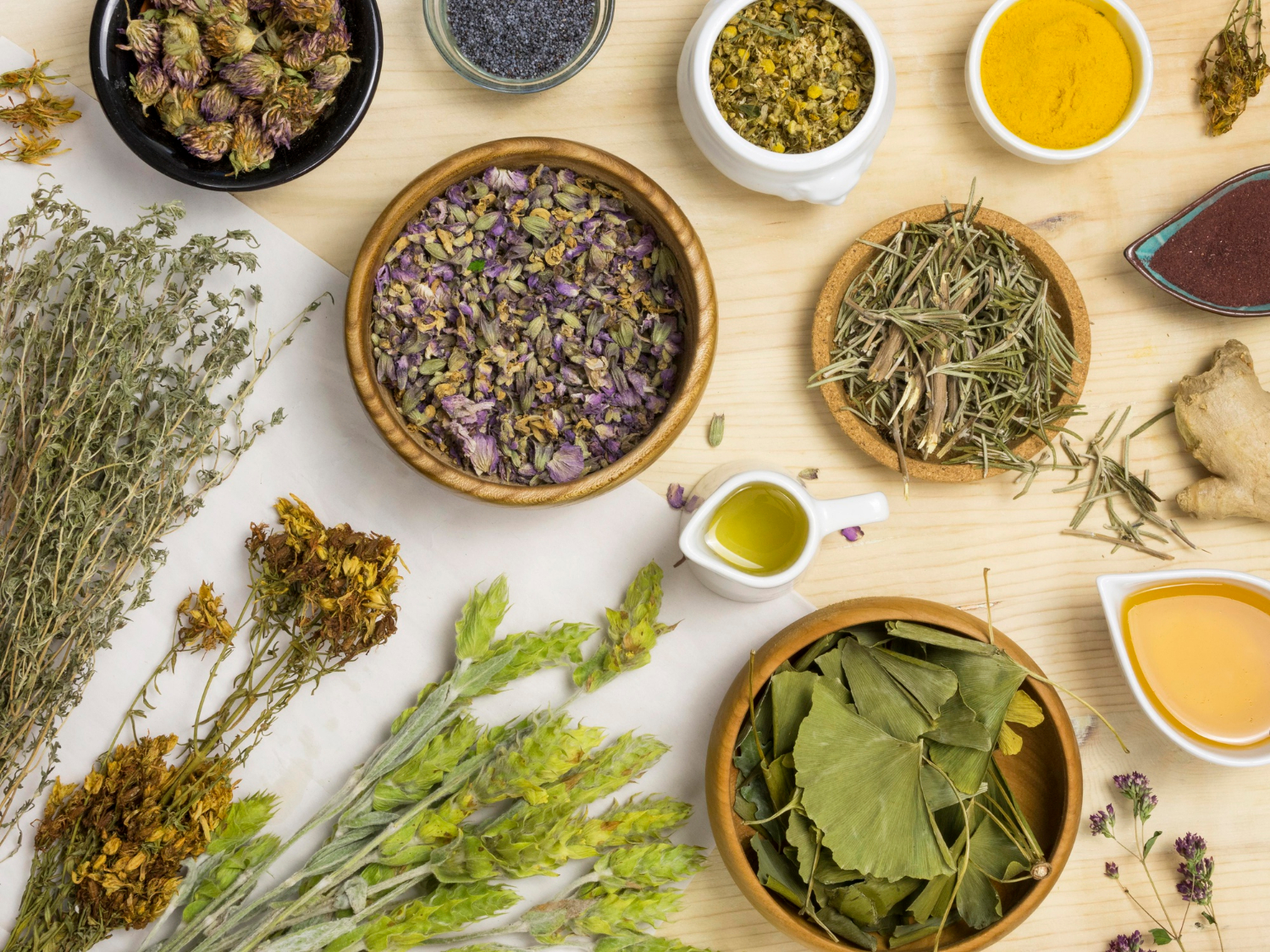
Herbal traditions have long played a vital role in supporting natural immunity across various cultures worldwide. For centuries, different societies have relied on the healing properties of herbs to enhance their immune systems and ward off illness. This section explores several notable herbs that have been recognized for their immune-supportive qualities and provides insights on how to incorporate them into daily routines.
One prominent example is echinacea, often utilized in North American herbal medicine. Echinacea is known for its ability to stimulate the immune system, particularly during cold and flu seasons. It is commonly consumed as a tea or taken in supplement form. Similarly, ginger has been praised for its anti-inflammatory and antioxidant properties, contributing to overall health and immunity. Fresh ginger can be added to teas, smoothies, or stir-fries to reap its benefits.
In traditional Chinese medicine, astragalus is a vital herb that is believed to bolster the body’s natural defenses. It is often used in soups or taken as an extract to strengthen vitality and resist infections. Additionally, turmeric, with its active compound curcumin, is recognized for its immune-enhancing and anti-inflammatory properties and can be easily integrated into diets as a spice.
While incorporating these herbs into your lifestyle can be beneficial, it is crucial to prioritize safety. Not all herbs are suitable for everyone, and individual responses can vary. Therefore, consulting healthcare providers or qualified herbalists before starting any herbal regimen is recommended, especially for those with pre-existing health conditions or those who are pregnant or nursing. By understanding the potential advantages and safety of these herbs, individuals can effectively support their natural immunity and promote overall health through well-informed lifestyle choices.
Natural Supplements for Immunity: What to Consider
In the quest for enhancing natural immunity, various natural supplements and remedies have gained popularity. These interventions often claim to bolster the immune system through herbal and dietary means. Understanding the efficacy and proper usage of these natural supplements is crucial for anyone considering their inclusion in their lifestyle.
One of the most recognized natural supplements is Vitamin C, known for its role in supporting immune function. Clinical studies indicate that adequate levels of vitamin C can reduce the duration and severity of colds. Another popular choice is elderberry, which has been shown to have antiviral properties and may help alleviate symptoms of the flu. Additionally, products containing echinacea are frequently touted for their purported ability to prevent colds, though research on their effectiveness provides mixed results.
Furthermore, probiotics are becoming increasingly recognized for their role in promoting gut health, which in turn supports overall immunity. Certain strains of probiotics are believed to enhance the body’s natural defenses against pathogens. Meanwhile, herbal remedies such as garlic and turmeric contain compounds known for their anti-inflammatory and antioxidant properties, which may contribute to a stronger immune response.
When considering the incorporation of these supplements into a health regimen, it is essential to consult healthcare professionals. This is particularly significant because natural supplements can interact with prescription medications, potentially hindering their effectiveness or causing adverse effects. It is vital to determine appropriate dosages to avoid exceeding recommended levels, as even natural products can lead to toxicity in excess.
In conclusion, while numerous natural supplements are available to support immunity, their effectiveness can vary. It is advisable to seek professional guidance to tailor a regimen that aligns with individual health needs and to ensure safe usage alongside existing medications.
Mind-Body Connection: Enhancing Immunity Through Mental Health
The intricate relationship between mental health and the immune system is increasingly recognized in both research and holistic practices. Mental health influences the body’s physiological responses and, consequently, its natural immunity. Stress, anxiety, and depression can compromise immune function through various biological mechanisms, including the dysregulation of stress hormones such as cortisol, which can suppress immune responses and lead to an increased susceptibility to infections.
To bolster natural immunity, it is essential to incorporate practices that promote mental well-being. Techniques such as mindfulness, meditation, and yoga have been shown to significantly reduce stress levels. Mindfulness involves maintaining a moment-to-moment awareness of our thoughts, feelings, and bodily sensations, which fosters a sense of calm and resilience. Engaging in meditation can enhance emotional regulation and has been linked to positive changes in immune markers. Regular meditation not only tranquilizes the mind but also acts on the immune system by lowering inflammatory markers, thereby helping to maintain a robust natural defense.
Yoga combines physical movement with breath control and meditation, creating a holistic approach to health. The disciplined practice integrates physical postures and breathing techniques that promote relaxation and reduce stress, contributing to improved immune function. Studies have indicated that practitioners of yoga often demonstrate enhanced immune responses due to the combined effects of physical activity and mental focus.
In understanding the mind-body connection, it becomes evident that nurturing mental health through these practices is paramount in enhancing immune function. When individuals prioritize their mental well-being, they inevitably foster a healthier lifestyle, which supports their natural immunity. Thus, integrating mindfulness and yoga into daily routines can yield significant benefits, leading to greater resilience against infections and overall improved health.
Creating a Personalized Immunity Plan
Building a robust immune system is essential for overall health and can be greatly influenced by individual choices. Crafting a personalized immunity plan allows individuals to focus on their unique health needs, dietary preferences, and lifestyle factors. To begin, an assessment of current health status and specific immune-related goals is crucial. One might consider consulting healthcare professionals to understand any underlying health conditions that could affect the immune response.
Once personal health information has been gathered, it’s vital to examine dietary habits closely. A balanced diet rich in fruits, vegetables, whole grains, lean proteins, and healthy fats lays a solid foundation for natural immunity. Incorporating herbal remedies, typical of Unani traditions, can offer additional support. For instance, herbs such as garlic, ginger, and turmeric are known for their immune-boosting properties and can be seamlessly integrated into meal plans.
Physical activity plays a significant role in enhancing immune function as well. Developing a routine that includes regular exercise can not only improve physical health but also positively impact mental well-being. Whether it’s brisk walking, yoga, or swimming, choosing activities that fit into one’s lifestyle increases the likelihood of maintaining consistency.
Quality sleep is another pillar of a strong immune system. Establishing a nightly routine that promotes relaxation and uninterrupted rest ensures the body can repair and regenerate effectively. Additionally, stress management through techniques such as meditation or mindfulness contributes to lowering stress hormones that can compromise immunity.
Once these elements are assessed, it is beneficial to create a written plan outlining specific goals and actionable steps. This may include dietary adjustments, exercise schedules, sleep patterns, and relaxation practices. By treating the creation of a personalized immunity plan as a proactive approach, individuals can make informed choices that bolster their natural immunity over time.
Success Stories: Natural Approaches to Stronger Immunity
Many individuals have embraced natural approaches to enhance their immunity, and their success stories serve as compelling examples of the effectiveness of lifestyle changes. One inspiring account comes from Sarah, a busy professional who experienced frequent colds and fatigue. After researching natural immunity boosting techniques, Sarah integrated a mix of unani and herbal remedies into her daily routine. She began incorporating spices like turmeric and ginger into her meals and started drinking herbal teas rich in antioxidants.
Within weeks, Sarah noticed a significant reduction in her cold symptoms and increased energy levels. She also committed to a more balanced lifestyle, prioritizing sleep, and mindfulness practices. Her success illustrates how small, consistent changes can lead to remarkable improvements in overall health.
Another success story is that of Mark, a retired teacher who sought alternative methods to combat seasonal allergies and enhance his immunity. He turned to traditional unani methods and discovered the benefits of specific herbal supplements. Mark started taking a mixture of fenugreek and moringa, known for their immune-boosting properties. Alongside these herbal interventions, he improved his diet by incorporating a variety of fruits and vegetables, focusing on sources rich in vitamins and minerals. As a result of these efforts, Mark reported fewer allergy attacks and a resilient immune system during the allergy season.
These testimonials highlight the transformative potential of adopting natural practices to strengthen immunity. By integrating holistic approaches that include lifestyle adjustments and herbal remedies, individuals can witness tangible benefits. These stories not only motivate others to make similar changes but also inspire confidence in the healing capacity of nature-derived solutions. They demonstrate that achieving optimal natural immunity is achievable through dedication and informed choices.
Call to Action: Book a Consultation
Enhancing your natural immunity and achieving optimal health is a multifaceted journey that can significantly benefit from the guidance of qualified health professionals. By booking a consultation, you can receive personalized advice that is tailored to your unique lifestyle, dietary preferences, and specific health needs. This tailored approach ensures that you develop strategies that are effective and sustainable for your wellness goals.
One of the key advantages of consulting with a health expert is their ability to assess your current state of health and identify areas for improvement. They can provide insights into how lifestyle changes, dietary enhancements, and herbal remedies can bolster your immune function naturally. Since different individuals respond to interventions in varied ways, expert support can help you navigate the overwhelming choices available in the realms of nutrition, herbal medicine, and lifestyle adjustments.
During your consultation, a qualified professional may explore various aspects of your life, including your current lifestyle choices and nutritional habits, and recommend effective strategies that integrate traditional approaches such as Unani and herbal medicine. This might involve suggesting specific foods rich in antioxidants, lifestyle modifications to reduce stress, or herbal supplements renowned for their immune-boosting properties. Such comprehensive guidance can empower you to make informed decisions that enhance your health journey while promoting natural immunity.
Taking proactive steps toward improving your immune health could lead to significant changes in your overall well-being. As such, seeking expert consultation is not just a worthwhile investment in your health but a crucial step in harnessing the full potential of lifestyle, nutrition, and herbal traditions in the quest for stronger immunity.