
Understanding Stress and Its Impact on Sleep
Stress is a physiological and psychological response that can significantly impact an individual’s quality of life, particularly in relation to sleep. When a person experiences stress, the body activates its fight-or-flight response, triggering the release of stress hormones such as cortisol and adrenaline. Elevated cortisol levels can lead to a cascade of effects that disrupt normal sleep patterns, resulting in insomnia and fragmented sleep cycles.
The relationship between stress and sleep is multifaceted. Chronic stress can lead to increased arousal, making it difficult to fall asleep and stay asleep throughout the night. When the body is in a heightened state of alertness due to ongoing stressors—be it workplace pressures, personal challenges, or anxiety—individuals may find themselves tossing and turning, unable to achieve the restorative sleep necessary for optimal functioning.
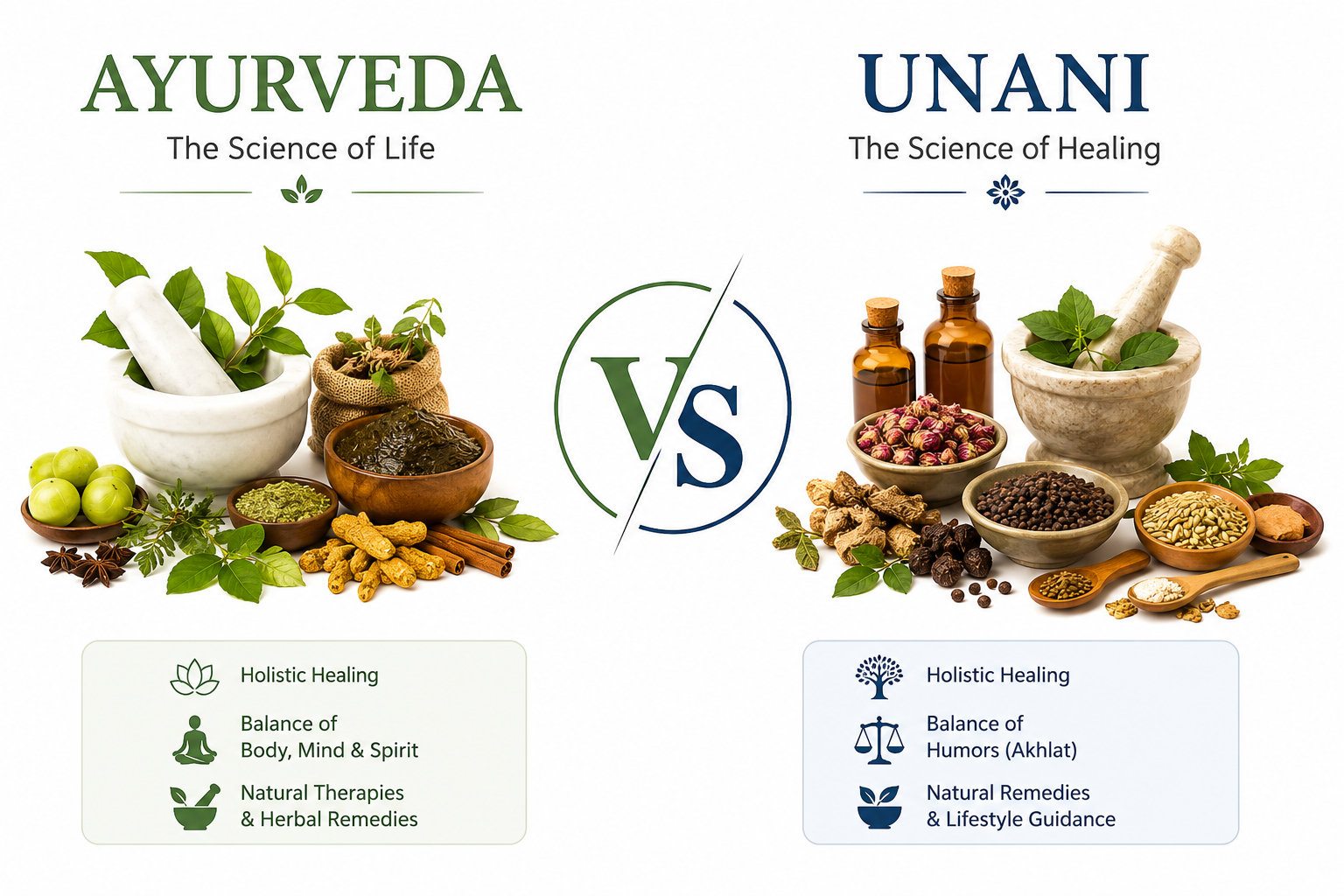
As stress persists, it can create a feedback loop; poor sleep quality can exacerbate feelings of anxiety and depression, leading to more pronounced stress and subsequent difficulty sleeping. This cyclical pattern underscores the importance of managing stress for improving sleep quality. Traditional systems of medicine, such as Ayurveda and Unani, emphasize holistic approaches to attain stress relief naturally. These practices advocate lifestyle modifications, diet, and mindfulness techniques to help maintain emotional balance and promote effective sleep hygiene.
Incorporating stress-relief strategies that align with these traditional principles can enhance one’s ability to combat the effects of stress on sleep. By recognizing the connection between stress management and improved sleep quality, individuals can take proactive steps towards achieving better health outcomes and restoring their overall well-being.
The Role of Traditional Medicine in Managing Stress
Traditional systems of medicine, such as Ayurveda and Traditional Chinese Medicine (TCM), have long provided insights into maintaining mental wellness and balancing emotional states. These practices approach stress management holistically, addressing the physiological, psychological, and energetic dimensions of health. By understanding the principles behind these ancient systems, individuals may find effective strategies for stress relief naturally.
Ayurveda, a wellness discipline that originated in India, emphasizes the balance of the body’s three doshas—Vata, Pitta, and Kapha. Stress and anxiety disrupt this balance, potentially leading to various health issues. Ayurvedic practices such as yoga, meditation, and herbal remedies work synergistically to restore harmony. Specific herbs, such as Ashwagandha and Brahmi, are well-regarded for their adaptogenic properties, aiding in the management of anxiety and depression by strengthening the body’s resistance to stress.
Similarly, TCM views stress as a disruption of the body’s Qi, or life force. Practitioners of TCM often use acupuncture, herbal medicine, and dietary adjustments to restore balance. The practice of Tai Chi, a form of gentle movement, is particularly beneficial in cultivating both mental clarity and resilience against stressors. Through breathing techniques and controlled movements, individuals can foster feelings of tranquility, helping to alleviate symptoms of anxiety.
Incorporating these traditional approaches into one’s lifestyle can create a more comprehensive strategy for managing stress. By embracing natural methods rooted in historical wisdom, people can unlock pathways for better sleep and overall mental health. The integration of practices from Ayurveda and TCM may offer valuable insights, highlighting the importance of finding individualized stress relief techniques that align with one’s lifestyle and well-being goals.
Herbal Remedies for Stress Relief and Sleep Enhancement
Stress and sleep disturbances are common issues that can significantly impact overall well-being. Fortunately, traditional herbal remedies offer natural solutions to alleviate these problems. Various herbs have been recognized in systems like Ayurveda and Unani for their ability to promote stress relief naturally and enhance quality of sleep.
One prominent herb is ashwagandha, a revered adaptogen in Ayurvedic medicine. Known for its ability to combat stress and anxiety, ashwagandha helps in stabilizing cortisol levels, contributing to a state of calm. It can be consumed as a powder mixed with warm milk or taken in capsule form for convenience.
Another excellent herb is valerian root, which has been utilized for centuries to promote restful sleep. Valerian acts on the central nervous system, helping to reduce the time it takes to fall asleep while simultaneously enhancing sleep quality. It is often recommended as a tea or as a tincture before bedtime. The calming properties of valerian root make it a popular choice for those struggling with anxiety.
Chamomile is yet another gentle herb that is widely favored for its soothing effects. Often consumed as a tea, chamomile contains compounds that may help to relax the mind and facilitate deep sleep. Its mild sedative properties make it ideal for those seeking natural remedies for stress relief or for addressing insomnia caused by anxiety.
Additionally, lavender is well-known for its calming fragrance and is often used in aromatherapy. Lavender oil can be diffused or added to bathwater for a relaxing experience. Moreover, it may be beneficial in using lavender tea as a nighttime ritual to unwind and prepare for sleep.
Incorporating these herbal remedies into one’s lifestyle can yield positive outcomes for stress and sleep-related challenges. Whether consumed as teas, tinctures, or capsules, they provide a holistic approach to achieving stress relief naturally while also enhancing sleep quality.
Mindfulness and Meditation Techniques
Mindfulness and meditation have roots in various traditional systems of medicine, such as Unani and Ayurveda, where they are recognized for their profound impact on stress relief and overall wellness. These practices cultivate awareness of the present moment, enabling individuals to manage symptoms of anxiety and depression effectively. By incorporating specific techniques, individuals can enhance their lifestyle and promote better sleep quality.
One widely endorsed technique is breathwork, which involves conscious control of one’s breathing patterns. Individuals can practice deep, slow breathing to activate the body’s relaxation response. Focusing on inhalation and exhalation helps reduce physical tension and calms the mind, thereby alleviating stress. This technique not only aids in relaxation but also can be performed at any time, making it an accessible tool for managing everyday stress.
Guided imagery is another valuable approach that can facilitate stress relief naturally. This technique involves visualizing serene and calming environments, which can transport the mind to a place devoid of anxiety and worries. Practitioners may listen to recordings or follow along with a trained instructor, allowing the imagination to foster a state of tranquility conducive to enhanced sleep.
Progressive muscle relaxation is also beneficial. This process entails systematically tensing and then relaxing different muscle groups in the body, which promotes physical relaxation and a deep sense of calm. This practice not only minimizes stress but also aids in recognizing and releasing tension that may hinder sleep quality.
Integrating these mindfulness and meditation techniques into daily routines can create a holistic approach to managing stress, anxiety, and depression. By nurturing the mind and body with these practices inspired by traditional medicine, individuals can foster a healthier lifestyle and improve their overall well-being.
The Importance of Diet in Stress Management
Maintaining a balanced diet is essential for managing stress levels and fostering overall wellness. Various traditional systems of medicine, including Ayurveda and Unani, recognize the significant role that food plays in emotional and physical health. A diet rich in whole, unprocessed foods can promote relaxation and support better sleep patterns, which are both vital in alleviating stress and managing symptoms of anxiety and depression.
According to Ayurvedic principles, incorporating soothing foods can help balance the mind and body. For instance, foods that are hydrating and rich in nutrients, such as fruits and vegetables, not only nourish the body but also contribute to emotional stability. Additionally, whole grains like brown rice and oats are believed to be grounding foods that foster calmness and mitigate anxiety responses.
The Unani system also emphasizes the importance of dietary practices. It encourages the consumption of soothing herbal teas, such as chamomile or lavender, known for their calming properties. These beverages can serve as a natural method of stress relief, promoting relaxation and better sleep. Moreover, proteins found in fish, legumes, and nuts are essential in brain health, helping to stabilize mood and counteract feelings of sadness and anxiety.
When planning meals, it is beneficial to focus on incorporating a variety of these calming foods into daily routines. Preparing weekly meal plans can ensure that stress relief naturally becomes part of one’s lifestyle. Additionally, practicing mindfulness during meals, such as chewing slowly and appreciating the flavors, can enhance the eating experience and instill a sense of peace.
Therefore, by recognizing the importance of diet in stress management and by leveraging traditional wisdom from Ayurveda and Unani, individuals can create a dietary framework that not only addresses physical health but also supports psychological well-being.
Sleep Hygiene Practices from Traditional Wisdom
In both Unani and Ayurveda, sleep is viewed as a vital component of well-being. The ancient systems emphasize the importance of creating an environment conducive to restful sleep and adopting habits that facilitate relaxation and mindfulness. Implementing these practices into one’s lifestyle can significantly enhance sleep quality and provide natural stress relief.
Applying principles from these traditional systems begins with establishing consistent bedtime routines. These routines help signal the body that it is time to wind down. Engaging in calming activities such as reading, meditating, or gentle yoga can prepare both the mind and body for sleep. Herbal teas, particularly those infused with chamomile or valerian root, are often recommended for their soothing properties, effectively easing anxiety and promoting deeper relaxation.
The physical sleeping environment also plays a critical role in achieving restful sleep. According to Ayurvedic wisdom, the ideal sleeping space should be dark, quiet, and cool, fostering a state of tranquility. Traditional practices suggest using natural materials for bedding and incorporating calming scents, such as sandalwood or lavender, which are believed to inspire peace and help alleviate symptoms of depression.
Moreover, exposure to natural light during the day is crucial for regulating circadian rhythms. Unani practices emphasize the importance of aligning lifestyle choices with natural sleep cycles, advocating for daily outdoor activities that enhance mood and reduce stress levels naturally. Additionally, avoiding screens and stimulating activities close to bedtime ensures a smoother transition into sleep.
In conclusion, integrating these age-old practices into modern lifestyles not only adheres to natural rhythms but also enhances overall health. By prioritizing sleep hygiene through mindful environmental adjustments and soothing bedtime routines, individuals can harness the ancient wisdom of traditional medicine to combat sleep disturbances, anxiety, and stress effectively.
Physical Activity as a Stress Reliever
Engaging in regular physical activity plays a pivotal role in managing stress and enhancing overall wellness, particularly as it pertains to sleep quality. Traditional systems of medicine, such as Unani and Ayurveda, emphasize the importance of natural movement and its profound effects on both the body and mind. Activities like yoga and Tai Chi, rooted in these ancient practices, are not just exercises but holistic approaches that help alleviate symptoms of stress, anxiety, and even depression.
Yoga, with its focus on mindfulness and breath control, allows practitioners to connect with their inner selves while relieving physical tension. The postures, coupled with sustained breathing techniques, facilitate a restorative process that naturally diminishes stress levels. Furthermore, studies have shown that individuals who practice yoga experience improved sleep patterns, aiding in the management of insomnia and promoting deeper, more restorative sleep.
Similarly, Tai Chi, often described as “meditation in motion,” incorporates fluid movements and a calm state of mind which reduces anxiety and enhances mental clarity. These gentle exercises serve as a vital form of stress relief naturally, cultivating a sense of peace that positively influences sleep quality. Such physical activities create a powerful synergy between the body and mind, alleviating the burdens of daily pressures.
Additionally, the incorporation of physical activity into one’s lifestyle as a form of stress management can facilitate long-term emotional balance and resilience. By promoting healthier sleep patterns through movement, individuals are more likely to experience improved mental health outcomes. Thus, whether through yoga, Tai Chi, or other forms of exercise inspired by traditional medicinal practices, embracing physical activity is an essential strategy in the journey toward stress relief and enhanced well-being.
Creating a Personalized Wellness Routine
In the pursuit of improved sleep and effective stress relief naturally, it becomes essential to develop a personalized wellness routine. By combining elements from traditional medicinal systems such as Unani and Ayurveda, individuals can create a tailored approach that addresses their unique needs and preferences.
The first step in crafting this routine is to assess one’s current lifestyle and understand the sources of stress and anxiety. This may involve keeping a journal to identify patterns related to daily stressors or sleep disturbances. Once the underlying triggers are recognized, individuals can begin to explore various practices that promote relaxation and restful sleep. For example, Ayurveda suggests incorporating calming herbal teas, such as chamomile or tulsi, into the evening routine, as these can naturally mitigate symptoms of anxiety and enhance sleep quality.
Additionally, integrating physical activities such as yoga or tai chi can be beneficial. These practices not only foster bodily relaxation but also help to ground the mind, reducing the feelings of depression that often accompany chronic stress. A gentle practice of such forms can be performed daily or several times a week, depending on individual capability and preference. Adapting one’s dietary habits by including nourishing, whole foods can further support emotional and physical well-being, thereby enhancing the efficacy of the overall routine.
Finally, it is crucial to establish a consistent sleep schedule, where going to bed and waking up at the same time each day can signal the body about the expectations of sleep. By cultivating an environment conducive to relaxation—through elements like soft lighting, soothing music, or essential oils—one can encourage better sleep patterns. Over time, this personalized wellness routine, derived from the principles of Ayurvedic and Unani traditions, will significantly foster an overall sense of well-being and serve as a proactive strategy to manage stress and anxiety effectively.
Conclusion: Integrating Traditional Techniques into Modern Life
The contemporary lifestyle often subjects individuals to elevated levels of stress, which can adversely affect sleep and overall mental health. One effective approach to managing stress naturally is to draw upon the wealth of knowledge found in traditional systems of medicine, such as Unani and Ayurveda. These ancient practices offer a range of techniques that can alleviate anxiety and foster relaxation, providing a holistic path towards well-being.
Integrating methods from these traditional approaches into daily routines can significantly improve one’s ability to cope with depression and anxiety. For instance, practices such as meditation, herbal remedies, and specific dietary adjustments recommended in Ayurveda serve as excellent stress relief naturally options. These techniques not only target the symptoms of stress but also address its root causes, promoting resilience in the face of modern challenges.
Furthermore, cultivating a lifestyle that incorporates these ancient principles can yield long-term benefits. Engaging in activities such as yoga, which harmonizes physical and mental well-being, can enhance sleep quality and reduce the physical toll of stress. The emphasis on a balanced diet, reflective of Unani and Ayurvedic teachings, fosters both physical health and mental clarity, thereby empowering individuals to navigate their lives with greater ease.
Ultimately, merging traditional wellness strategies with modern life can create a supportive framework for managing stress and improving sleep hygiene. By establishing a personalized routine that includes elements from these ancient systems, individuals can achieve a more balanced state of being where stress relief naturally becomes part of their lifestyle. As one explores these techniques, not only will their relationship with stress transform, but their overall health and quality of life may also experience a profound enhancement.