July 22, 2026
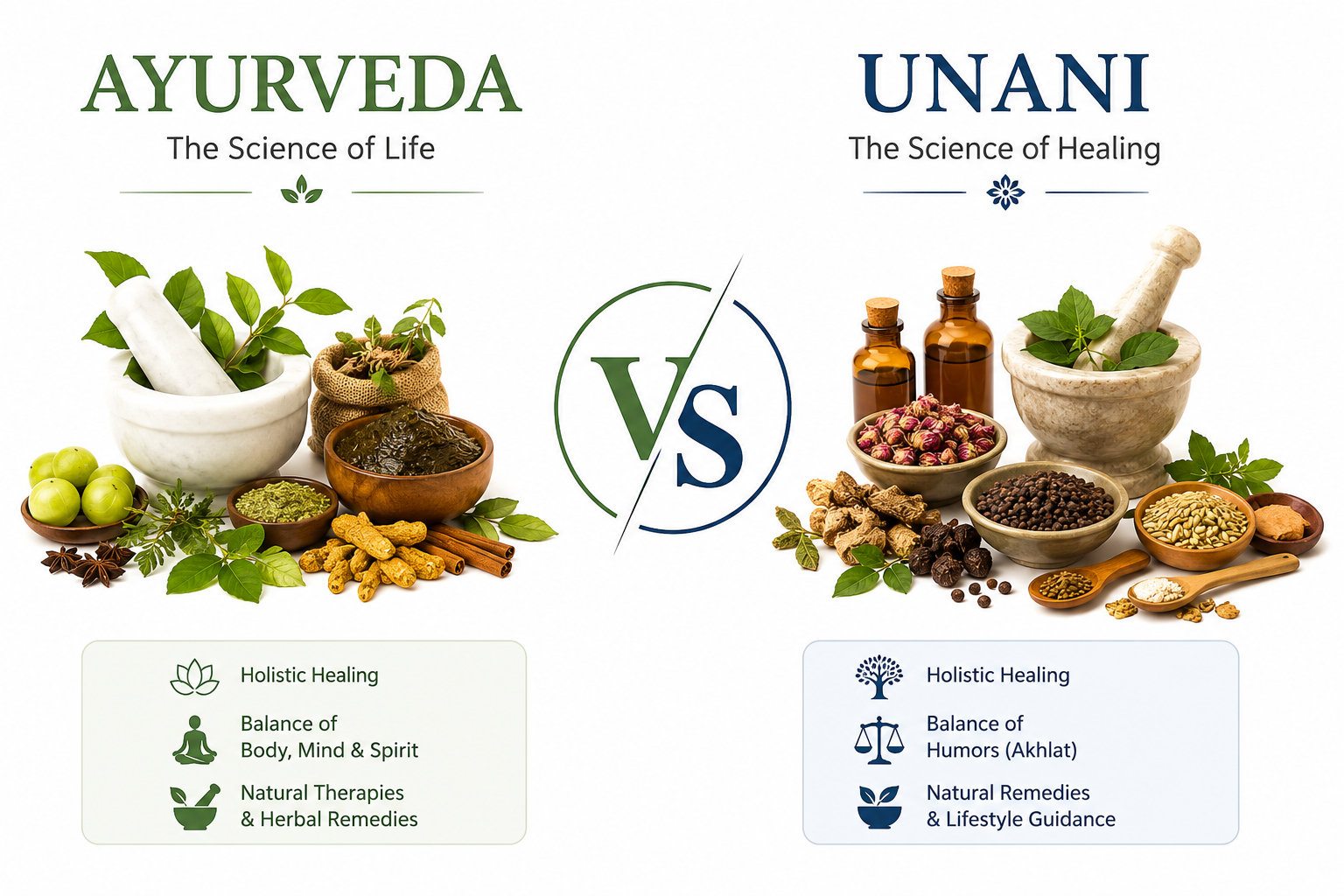
Unani medicine, a system of healing with roots in ancient Greece, finds its foundation in the teachings of Hippocrates and Galen. This medical practice evolved through the contributions of notable Islamic scholars during the Islamic Golden Age, who enriched the original Greek theories with their observations, experiments, and recommendations. As a result, Unani medicine developed into a comprehensive healing system that emphasizes the balance of bodily humors and the interplay between the mind and body.
The Unani system categorizes health into four key humors: blood, phlegm, black bile, and yellow bile. Imbalances in these humors are believed to lead to illness, and restoring harmony is the primary goal of treatment. Practitioners of Unani medicine employ various approaches, such as herbal remedies, dietary management, and lifestyle modifications, to promote healing naturally. The holistic nature of Unani practices aligns well with current trends in natural and alternative medicine, emphasizing preventive care and overall well-being.
In contemporary times, Unani medicine continues to gain recognition, particularly as people seek more natural and less invasive treatment options. Institutions like Saha Health and Herbal emphasize the integration of this ancient practice into modern healthcare, recognizing its significant benefits for chronic diseases and overall health maintenance. The system’s reliance on herbal formulations and individualized treatments resonates with the growing global movement towards personalized healthcare.
As we explore Unani medicine further, it is essential to acknowledge its historical significance and evolving role in today’s health landscape. This guide aims to shed light on its principles, benefits, and therapeutic approaches, underscoring why it remains relevant and beneficial in protecting health and promoting longevity in the modern era.
Unani medicine is grounded in a set of core principles that dictate the understanding of health, disease, and the overall human constitution. Central to Unani philosophy is the theory of the four humors, which include blood, phlegm, yellow bile, and black bile. These humors are believed to influence both physical and psychological aspects of an individual’s health. According to Unani principles, a harmonious balance among these humors is necessary for optimal health; an imbalance can lead to illness or nuisance symptoms that compromise well-being.
Each person possesses a unique temperament, or “mizaj”, which is determined by the relative dominance of these humors in their body. This concept is crucial in Unani diagnosis and treatment. By assessing a patient’s temperament, practitioners can create personalized treatment protocols that target specific imbalances. For example, a person with a predominance of phlegm may be treated with herbal remedies designed to reduce excess mucus and restore balance. Similarly, different temperaments may require varying dosages and types of unani medicine interventions, highlighting the individual nature of therapeutic approaches.
Furthermore, the Unani system emphasizes the importance of maintaining a balance between the external environment and the internal state of the patient. Factors such as diet, climate, and emotional health are all considered significant in managing health. Treatments often combine lifestyle modifications with the use of herbal medicines to promote a holistic approach to healing. By understanding these fundamental principles, practitioners of Unani medicine strive to enhance the body’s innate ability to heal itself and maintain health, as evidenced by the commitment of organizations like Saha Health and Herbal to spreading awareness of these practices.
Diagnosis in Unani medicine is a pivotal aspect that underpins the approach to treatment. Unlike conventional medical practices that may rely heavily on standardized tests, Unani medicine embraces a holistic perspective, emphasizing the observation of physical signs and symptoms. Practitioners meticulously assess various bodily indicators to gain insights into a patient’s health status and underlying conditions.
One significant method employed in Unani diagnosis is urinalysis. Through careful examination of urine, practitioners can detect abnormal patterns that may suggest imbalances within the body. The colour, consistency, and sediment of urine provide valuable clues about the patient’s temperament and status, enabling Unani physicians to formulate targeted treatment plans.
Another critical technique involves the expert evaluation of pulse, known as “nabz” in Unani terminology. This method entails not only measuring the heart rate but also discerning its quality, rhythm, and strength. By understanding the nuances of the pulse, Unani practitioners can form a comprehensive view of the patient’s health, identifying any deviations that might indicate illness or dysfunction.
The diagnosis in Unani medicine is inherently personalized. Rather than adopting a one-size-fits-all approach, practitioners consider the unique temperaments and individual conditions of each patient. This individualized diagnosis ensures that treatment protocols are tailored to address specific health concerns effectively, recognizing that factors such as lifestyle, environment, and emotional well-being all play crucial roles in a person’s health.
Thus, the focus in Unani medicine is not merely on treating disease but on restoring balance and harmony within the body. This comprehensive diagnostic framework underscores the significance of understanding and evaluating the patient’s holistic state, aligning perfectly with the core principles of Unani practices.
Unani medicine, which traces its roots back to ancient Greco-Arab systems of healing, emphasizes a holistic approach to health, focusing on restoring balance in the body and mind. Various treatment methods play crucial roles in achieving this equilibrium, integrating herbal remedies, dietary adjustments, and a range of therapeutic procedures.
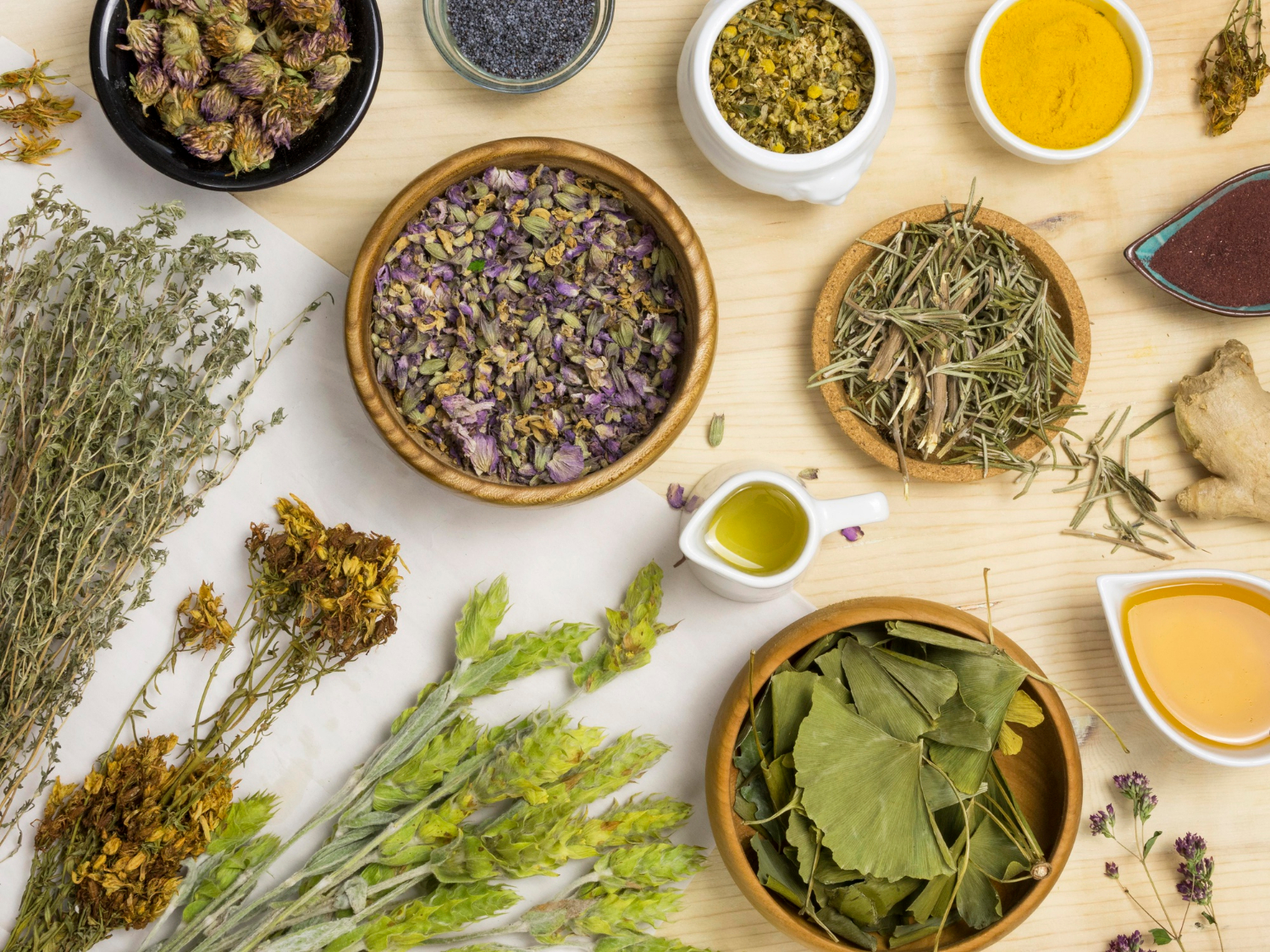
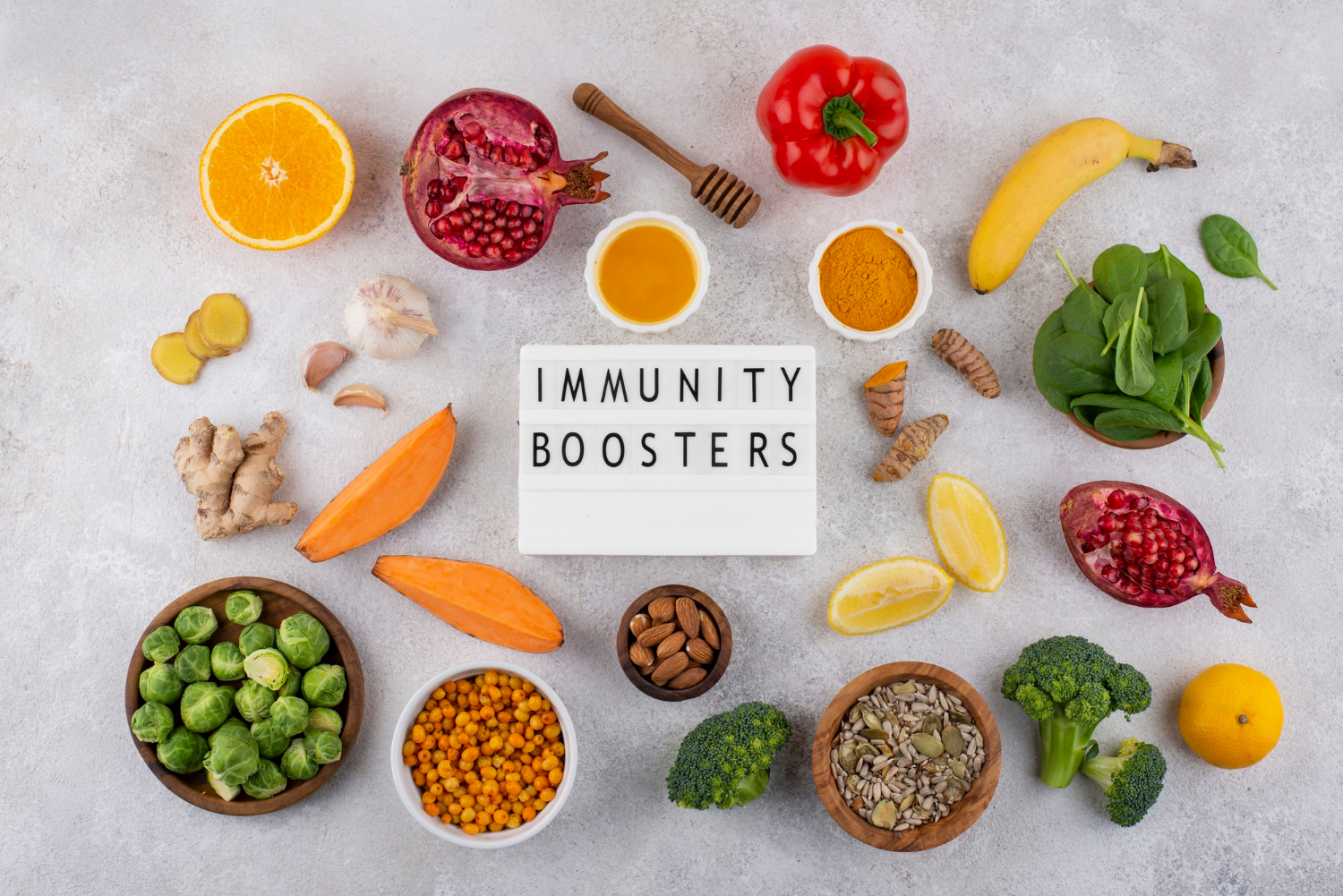
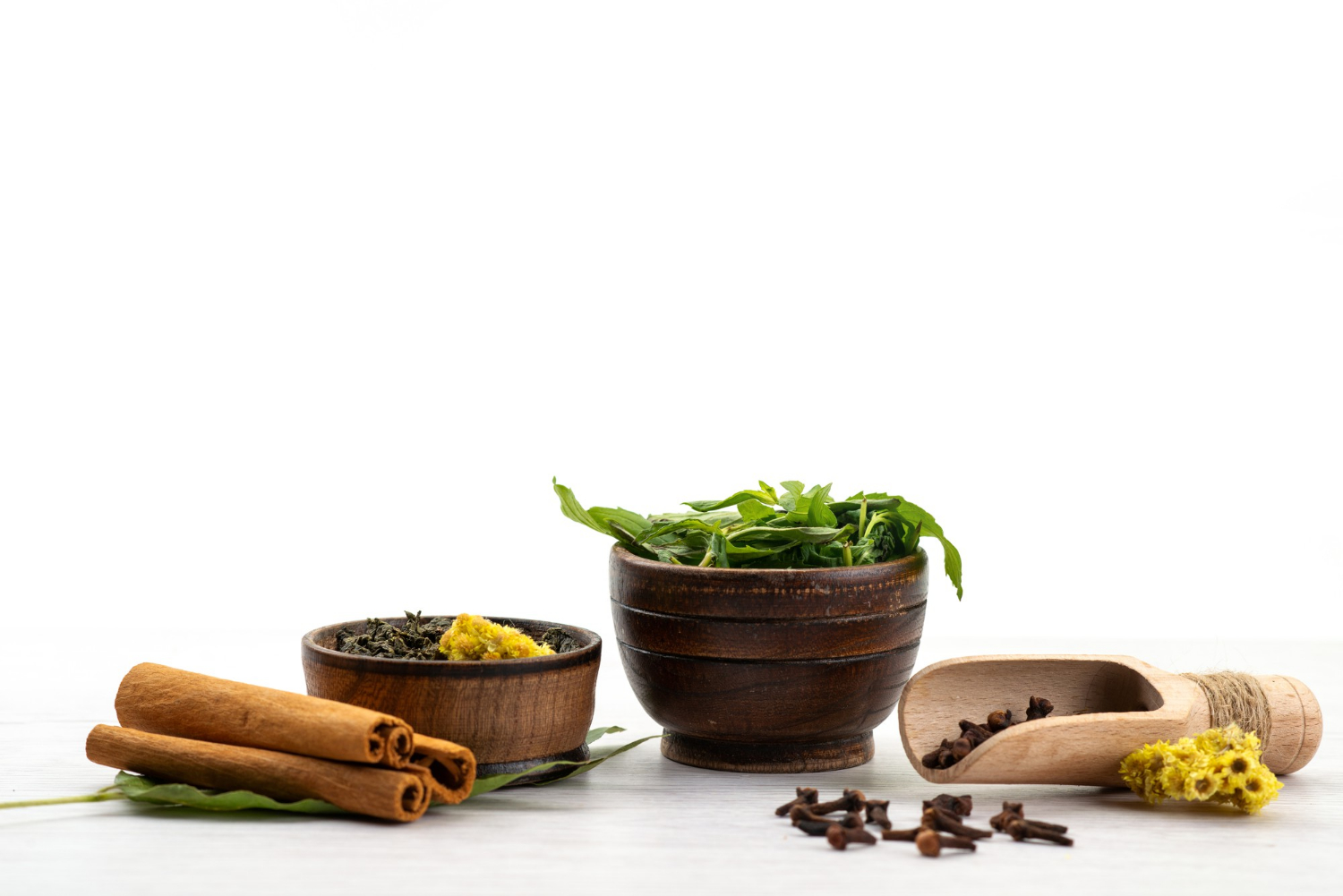
Herbal remedies are central to unani medicine. This system utilizes a diverse array of plants and plant-based ingredients to address specific ailments. Each herb is selected for its unique properties and effects on the body. For instance, herbs like ginger and turmeric are frequently used for their anti-inflammatory properties, contributing to the healing process. These herbal solutions are often personalized, taking into account the individual’s temperament, constitution, and current health condition.
Dietary adjustments further reinforce the principles of unani medicine. Nutrition is viewed as a pivotal factor in maintaining health. Unani practitioners recommend specific foods tailored to individual needs, encouraging a diet that aligns with the body’s natural balance. For example, individuals with a hot temperament may be advised to consume cooling foods to help temper their internal heat, thereby promoting overall wellness and vitality.
In addition to these methods, therapeutic procedures such as cupping and massage are integral to the unani approach. Cupping therapy is believed to stimulate blood flow and remove toxins from the body, while massage techniques help ease muscle tension and improve circulation. Both of these practices are designed to complement herbal treatments and dietary changes, creating a comprehensive wellness strategy.
Overall, the treatment methods in unani medicine reflect a rich tapestry of practices that prioritize harmony and balance within the body, underlining the effectiveness of natural interventions in promoting health. As more individuals seek holistic options, understanding the principles and treatments of unani medicine through sahhealth and herbal insights becomes increasingly valuable.
Unani medicine, a traditional healing system rooted in ancient Greek philosophy, is renowned for its holistic approach to health and wellness. This system emphasizes the balance of bodily humors, which is essential for maintaining health. One of the primary benefits of Unani medicine is its focus on prevention rather than mere treatment. By promoting healthy lifestyle choices and dietary habits, practitioners aim to prevent diseases before they manifest, aligning with contemporary understandings of health maintenance.
Moreover, Unani medicine excels in managing chronic diseases. Evidence suggests that treatments grounded in Unani principles, including herbal remedies and lifestyle adjustments, can effectively alleviate symptoms associated with conditions such as diabetes, asthma, and arthritis. For instance, the incorporation of specific herbal formulations, often recommended by experts at Saha Health and Herbal, showcases successful health outcomes for many patients. These formulations not only target the symptoms but also work to restore the body’s natural balance, thereby enhancing overall well-being.
Another significant benefit is the personalized treatment approach. Unani practitioners assess individuals based on their unique temperaments and health conditions, ensuring tailored therapies that address specific needs. This patient-centered care fosters a strong therapeutic alliance between practitioners and patients, facilitating a deeper understanding of the underlying causes of ailments.
Testimonials from individuals who have experienced Unani medicine illustrate its positive impact. Many report improved health outcomes and quality of life, attributing their recovery to the well-rounded nature of Unani therapies, which integrate herbal solutions, dietary modifications, and lifestyle interventions to achieve lasting health benefits.
Unani medicine, a system of traditional healing with roots in ancient Greek philosophy, emphasizes the significance of achieving balance within the body and mind. This holistic approach is especially relevant when addressing mental health conditions such as anxiety, depression, and stress. Unani practitioners believe that mental health is intricately linked to the physiological state of an individual. Thus, interventions aim to restore equilibrium within the body’s four humors: blood, phlegm, yellow bile, and black bile, which in turn influences emotional well-being.
In the context of mental health, Unani medicine employs various strategies, including dietary adjustments, herbal remedies, and therapeutic practices like cupping and massage. For instance, certain herbs such as Sahaf (also known as rosemary) and Ajwain have been recognized for their ability to soothe anxiety and promote relaxation. These herbs, when integrated into a proper regimen, can enhance emotional resilience and significantly reduce symptoms of stress and anxiety.
Another core principle of Unani medicine involves lifestyle modifications, such as engaging in leisure activities, maintaining proper sleep hygiene, and practicing mindfulness. These practices are thought to cultivate mental clarity and emotional stability. Furthermore, mental well-being is seen as being amplified through social support and community involvement, which are encouraged in the Unani framework. By fostering positive relationships and participating in communal activities, individuals can experience improved mental health outcomes.
Importantly, Unani medicine approaches mental health care without stigma; it advocates for seeking help just as one would for a physical ailment. The focus on mental and emotional balance is underscored throughout the practices of Unani medicine, highlighting a comprehensive approach to health that integrates physical, emotional, and spiritual wellbeing, reaffirming the philosophy of maintaining harmony for a fulfilling life.
The integration of Unani medicine into modern healthcare presents a unique intersection of traditional practices and contemporary medical approaches. In recent years, there has been a marked increase in public interest surrounding alternative and complementary therapies, leading to a burgeoning acceptance of Unani medicine, particularly in regions where it has historical significance. However, the path forward necessitates a robust framework for scientific validation of Unani practices to gain broader acceptance within conventional medical systems.
Unani medicine is characterized by its holistic approach, focusing on maintaining balance within the body’s natural systems. Its principles emphasize the harmony of bodily humors, which align with the growing trend in modern healthcare towards patient-centered care. By employing natural remedies and therapies, Unani medicine resonates well with patients seeking treatments with fewer side effects, which has positioned it favorably in the growing market for herbal and natural health solutions. Organizations like Saha Health are leading the discourse on how such practices can be harmonized with evidence-based medicine.
As healthcare systems worldwide increasingly recognize the validity of diverse treatment modalities, clinical research is essential for establishing the efficacy of Unani medicine practices. This includes conducting controlled studies to analyze the outcomes of Unani therapies, thus providing healthcare practitioners and patients with a clearer understanding of its potential benefits and limitations. Furthermore, integrating Unani medicine into education for healthcare professionals may foster an environment of mutual respect and collaboration between different disciplines.
The future of Unani medicine within modern healthcare hinges on its ability to blend time-honored methods with contemporary scientific inquiry. As more patients and practitioners consider holistic treatments, ongoing dialogue and research will play crucial roles in understanding how Unani medicine complements modern healthcare frameworks.
Unani medicine, with its rich historical background and holistic approach to health, faces a myriad of challenges in the contemporary healthcare landscape. One significant issue is the regulatory framework governing alternative medicine practices. In many countries, Unani practitioners encounter obstacles in obtaining licenses and approvals, which can hinder their ability to operate legally and provide services to patients. The lack of a standardized regulatory process exacerbates these difficulties, leading to inconsistencies in practice and patient care.
Another challenge is the need for standardization within the field of Unani medicine. The therapeutic practices and remedies employed in Unani can vary significantly among practitioners, which can lead to confusion and skepticism from both healthcare providers and patients. This diversity in practice highlights the necessity for standardized procedures and training programs to ensure a unified approach that upholds quality and safety in treatment. To address this, various organizations, including Saha Health and Herbal, are advocating for the establishment of guidelines that promote consistent practices across the board.
Additionally, Unani medicine grapples with gaining wider acceptance within the mainstream healthcare community. Despite its longstanding history and a growing body of research supporting its efficacy, many clinicians and medical professionals remain skeptical. The prevalence of evidence-based medicine often overshadows traditional practices, making it challenging for Unani practitioners to establish credibility. Ongoing efforts to bridge this gap include conducting clinical studies that align Unani healing principles with modern scientific methodologies, as well as promoting education about its benefits among potential practitioners and patients.
In conclusion, navigating the regulatory landscape, standardizing practices, and enhancing acceptance within mainstream medicine are critical challenges that Unani medicine must address to thrive in today’s health sector. Collaborative initiatives and continued research are essential for advancing the scope and influence of this traditional healing system.
As we reflect on the principles and benefits of unani medicine, it becomes clear that this ancient system of healing possesses a significant potential for future growth and integration within modern health practices. The core philosophy of unani medicine focuses on holistic health, emphasizing the balance between the body, mind, and spirit to promote overall well-being. Such an approach aligns with many contemporary health frameworks aimed at increasing patient-centered care.
One of the most promising advancements in unani medicine lies in the realm of research and validation. With the increasing interest in herbal and alternative therapies, rigorous scientific studies can enhance the credibility of unani practices. Integrating unani medicine into mainstream healthcare systems could provide patients with more comprehensive treatment options, merging traditional knowledge with evidence-based practices. Institutions like Saha Health have begun to explore this synergy, fostering collaborations that could further the understanding and application of herbal therapies in various medical contexts.
Moreover, with globalization and the growing acceptance of integrative health modalities, unani medicine has the potential to reach a wider audience. Education and awareness campaigns can help demystify unani practices, encouraging individuals to explore its therapeutic benefits. Additionally, preserving and promoting traditional knowledge within unani medicine is crucial for sustaining its practices. Future initiatives should focus on community engagement and the involvement of local practitioners to ensure that the rich history of unani medicine is maintained and honored.
Ultimately, the future of unani medicine hinges on a thoughtful balance between tradition and modernity. By recognizing its value as a complementary approach to health and wellness, we can pave the way for unani medicine to play a significant role in global health initiatives. This will require ongoing dialogue among practitioners, researchers, and policymakers, and a commitment to fostering a health environment that respects and integrates the wisdom of ancient healing systems.


Take our quick quiz and get a custom nutrition plan tailored to your needs.